Year-End Cleaning(年末の大掃除)
WORK’IN JAPAN
31.01.2026
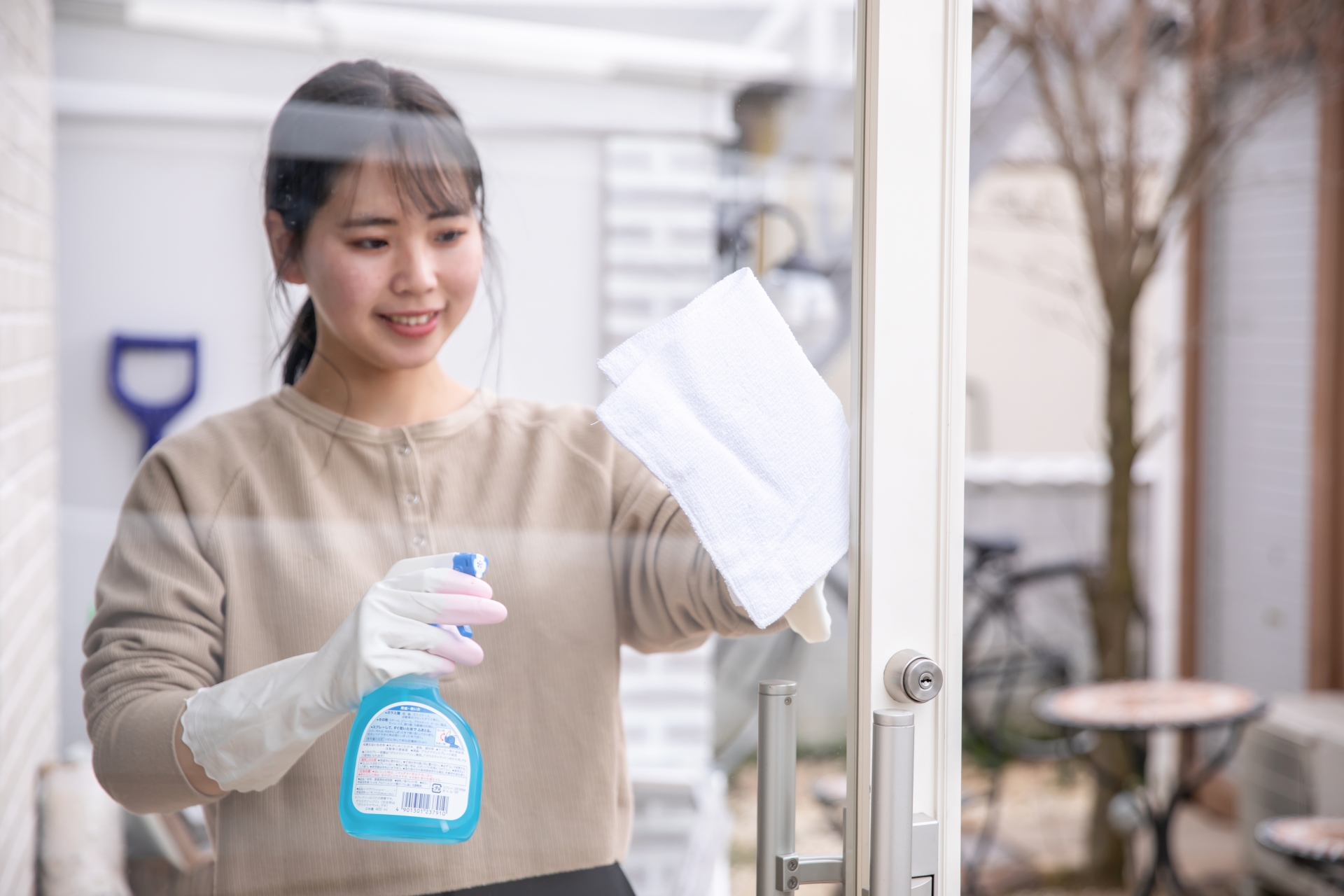
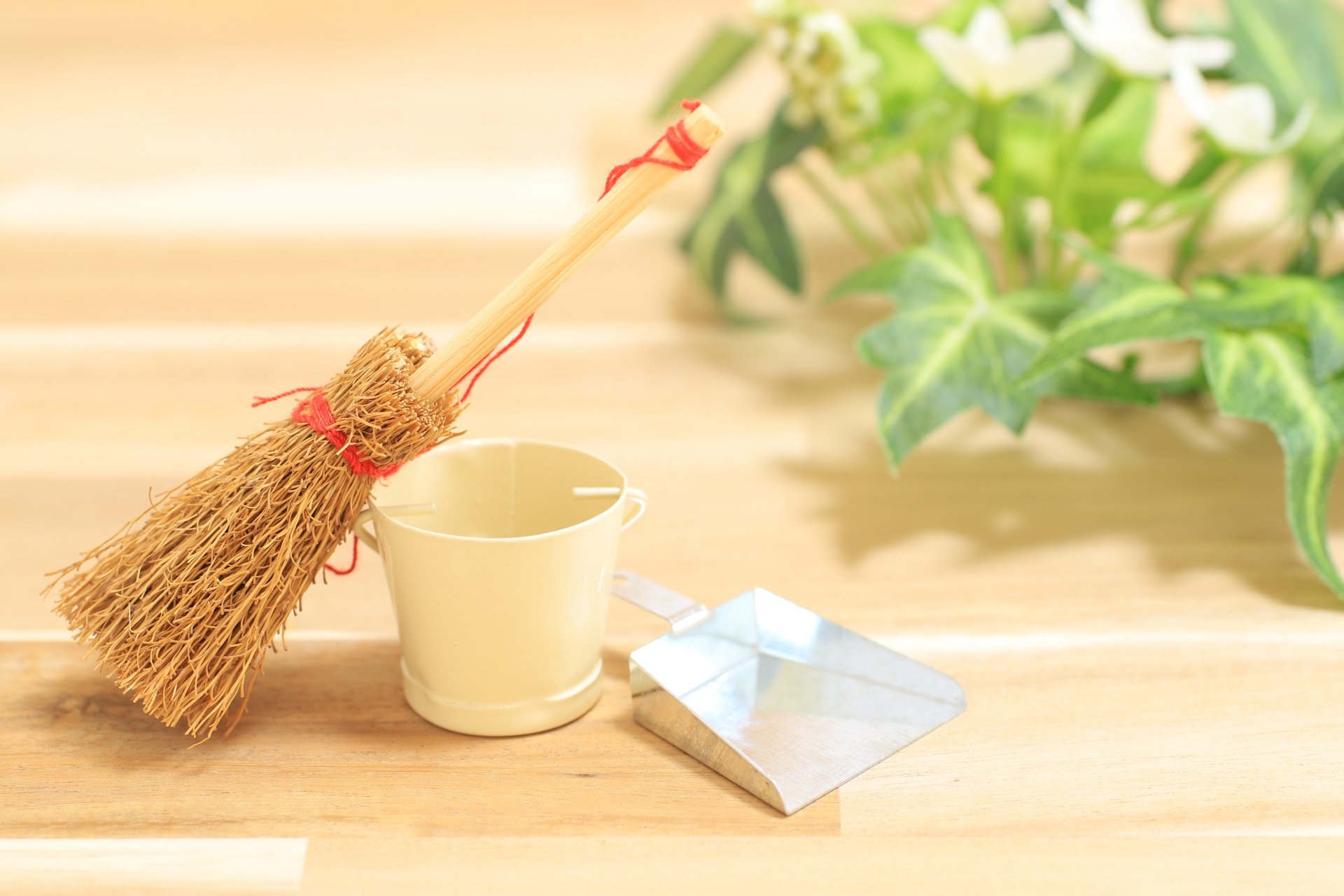
Did you clean your home at the end of the year? In Japan, we have a custom called osoji (big cleaning) before the New Year begins. This doesn’t just happen at home or school; it’s a common practice in the workplace as well. Today, I’d like to share why we do this, what it involves, and my own personal experiences.
Why Do We Do the Big Cleaning?
As a Japanese person, I’ve been doing osoji at home and school since I was a child, so I never really stopped to think about “why” we do it.
When I looked into its origins, I found that it dates back to a Heian Period (794–1185) court ritual called susuharai (soot sweeping). The tradition began as a way to sweep away the dirt accumulated over the past year, purifying the space to welcome the Toshigami-sama (New Year deities) who bring happiness for the coming year.

What Kind of Cleaning Do We Do?
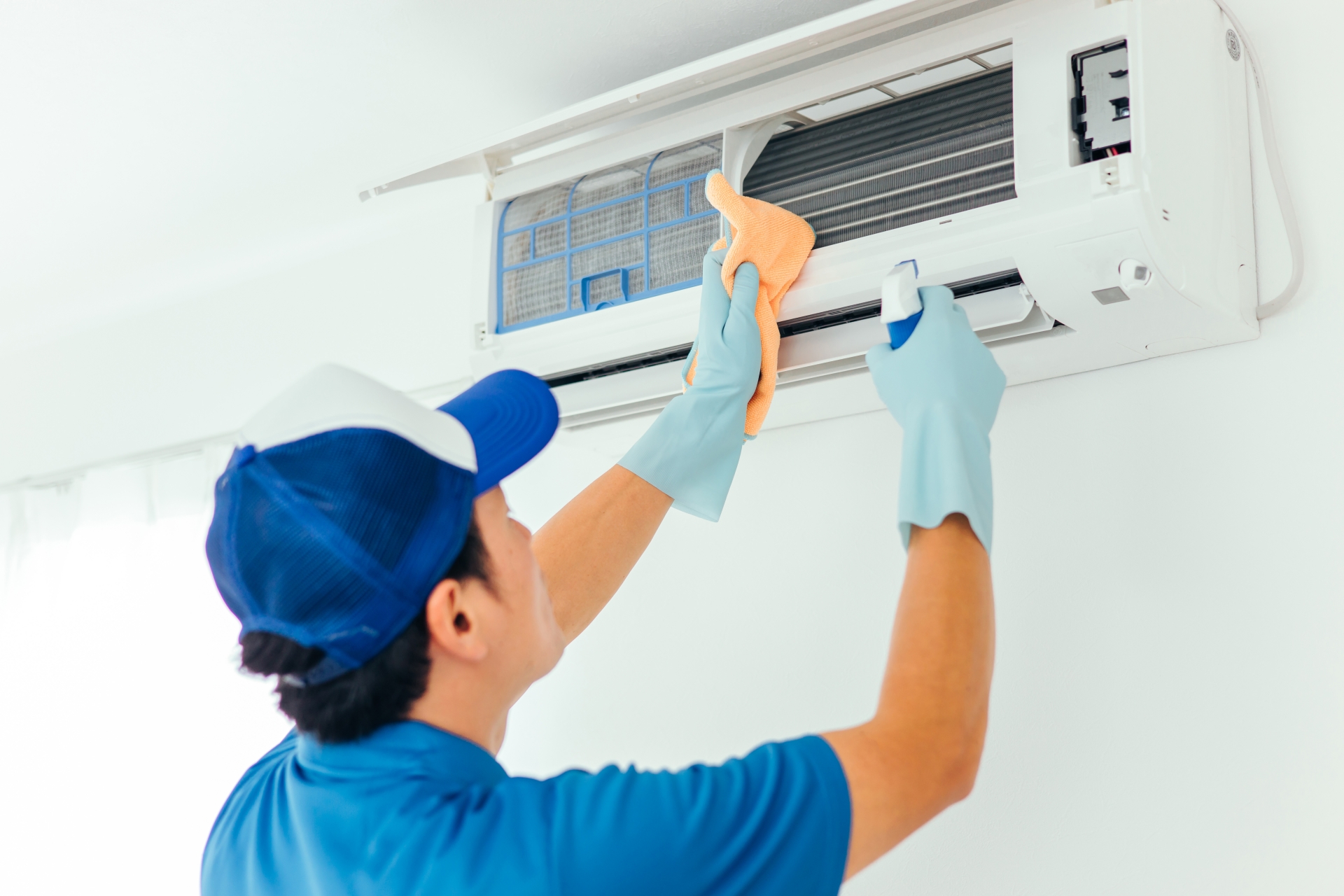
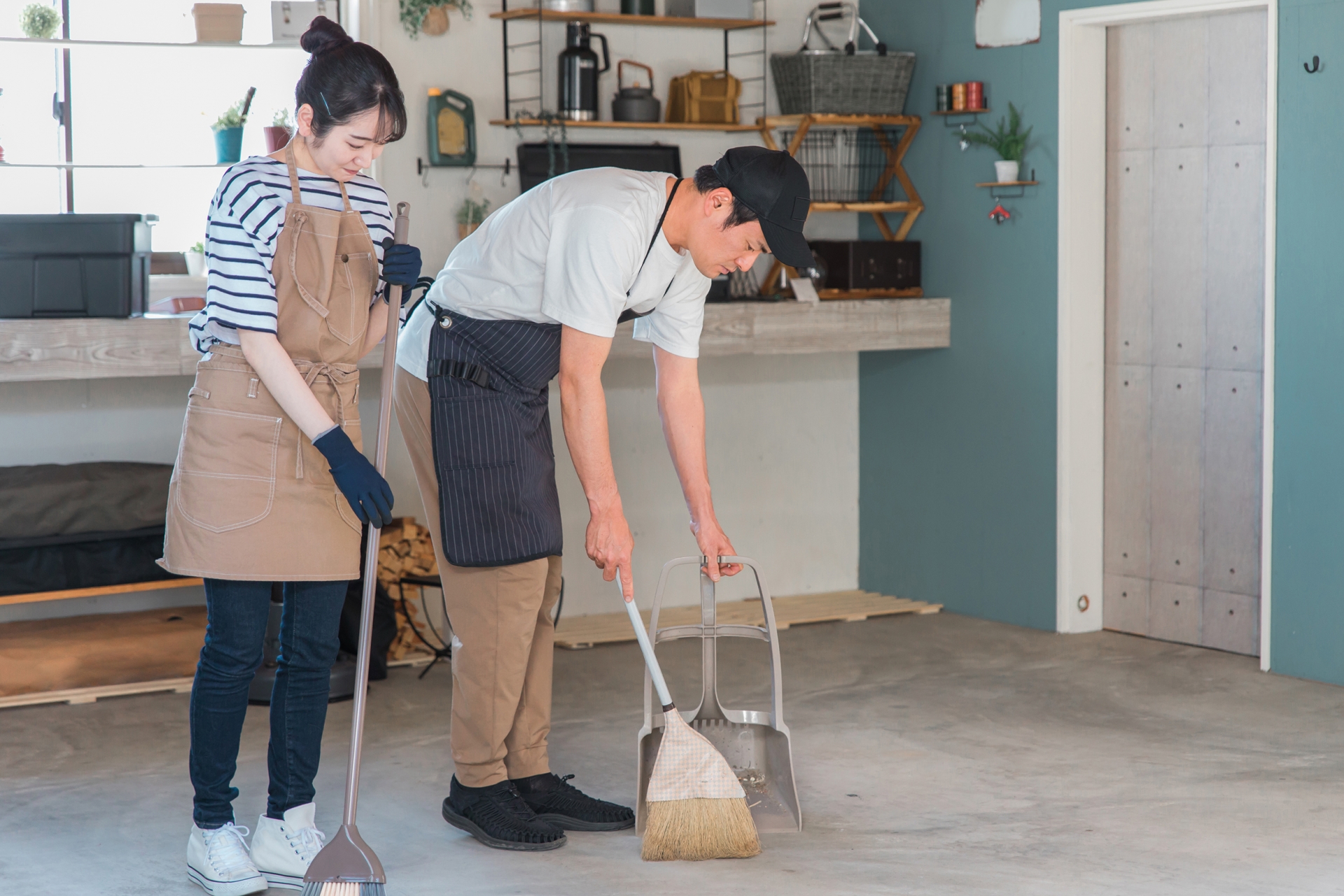
While many companies hire professional cleaners for their daily upkeep, it is common for employees to take the time to clean their own desks, shared storage rooms, and the office kitchenette themselves. We even tackle things like dusting around electrical wiring and cables. On the other hand, many companies also take this opportunity to bring in specialists to handle more technical tasks, such as deep-cleaning air conditioner filters.

My Experience
In my previous workplace, I spent osoji disposing of expired documents and organizing my desk and the storage area. By cleaning the tools and spaces I use every day, I felt a sense of gratitude toward them and a renewed desire to take good care of them. I believe that by decluttering our physical environment, we also organize our minds, allowing us to welcome the New Year with a fresh perspective.

When Do You Do Your “Big Cleaning”?
Is there a similar culture of year-end cleaning in your country? I believe osoji is a wonderful tradition that allows us to reflect on the past and move forward with a clear mind. Even though 2026 has already begun, I hope this spirit stays with us throughout the year. I hope your 2026 will be a fulfilling and wonderful one.

Junko Mikami
Junko was born and raised in Kanagawa Prefecture. She spent about three years working and traveling in New Zealand and Australia, followed by trips to North America, Southeast Asia, and Northern Europe. Living abroad made her appreciate Japanese food and culture even more. She now lives in Tokyo, Japan with her American husband.
Read previous articles by the writer
Read latest articles
KEYWORDS
- # PICKPICK
- # Resume
- # alcohol
- # Rice
- # Soup
- # winter food
- # Fast Food
- # seafood
- # spicy foods
- # raw food
- # fermented food
- # Transportation
- # MEAT
- # Edo culture
- # suits
- # clothing
- # drink
- # fish
- # seasoning
- # Japanese New Years Foods
- # Toshikoshi soba
- # Osechi Ryori
- # Ozoni
- # Christmas
- # Japanese fusion pasta
- # Wafu Pasta
- # Japanese Hot Pot
- # なべ
- # 鍋
- # Miyazaki
- # Chicken Nanban
- # Karamen
- # Autumn Wagashi
- # Mushi-yokan
- # Imo-yokan
- # Japanese Autumn Fruits
- # Autumn
- # Vending Machine
- # fall
- # dango
- # Chestnut rice
- # saury
- # Mushroom
- # Rice vinegar
- # Japanese condiments
- # 調味料
- # Sake
- # Mirin
- # Soy sauce
- # Japanese Noodles
- # Udon
- # Ramen
- # Yakisoba
- # Soba
- # Japanese Seaweed
- # 海藻
- # かいそう
- # Payslip
- # Training
- # Japanese summer foods
- # 和菓子
- # Wagashi
- # ryokucha
- # 夏
- # 飲み物
- # Ramune
- # ラムネ
- # Pokari Sweat
- # ポカリスエット
- # Calpis
- # カルピス
- # Mugicha
- # ume
- # 梅
- # うめ
- # umeshu
- # job hunting
- # tofu
- # Recruitment in Japan
- # miso
- # Japanese cuisine
- # Yellowtail and bonito
- # Children’s Day
- # Kashiwa Mochi
- # Chimaki
- # fruits
- # Kusamochi
- # Types of Agriculture in Japan
- # bread
- # パン
- # パン屋さん
- # japanese bread
- # shokupan
- # meal blead
- # anko bread
- # 桜
- # さくら
- # cherry blossom
- # visa
- # hanami
- # omotenashi
- # sakura
- # おもてなし
- # Japanese hospitality
- # oshibori
- # wet hand towel
- # hand towel
- # restaurant
- # Commuting in Japan
- # Women-only cars
- # Exit gate
- # japanese train
- # train
- # valentine
- # Japanese sweets
- # 朝食
- # Japanese Breakfast
- # Breakfast
- # Japanese
- # 日本
- # healthy
- # persimmons
- # hoshigaki
- # HR
- # work in Japan
- # jinji ido
- # corporate systems
- # Japanese work culture
- # bento
- # ekiben
- # shinkansen
- # omiyage
- # train station
- # Japanese culture
- # work culture
- # mentaiko
- # umeboshi
- # Japanese snacks
- # potato chips
- # Japanese potato chips
- # Japanese writing
- # seaweed
- # konbu
- # ocean foods
- # shio konbu
- # dashi
- # miso soup
- # food processing
- # pear
- # nashi
- # sweet potato
- # japanese sweet potato
- # stingray
- # satsuma imo
- # food value chain
- # homecooking
- # agriculture
- # Japanese homecooking
- # farming
- # nikujaga
- # shojin ryori
- # meat and potatoes
- # traditional foods
- # comfort food
- # buddhist food
- # manufacturing
- # factory
- # eihire
- # vegetarian
- # food and beverage
- # izakaya
- # yatai
- # japanese festival
- # taiyaki
- # matsuri
- # summer
- # Ikayaki
- # smart agriculture
- # shaved ice
- # kakigori
- # かき氷
- # summer dessert
- # Japan
- # Japanese foods
- # dessert
- # fruit
- # matcha
- # icecream
- # Pikcup
- # Pikc up
- # Pcikup
- # skilled labor visa
- # working visa japan
- # Dineer Table in Japan
- # Japanese manner
- # Japanese food
- # Japanese Table Manner
- # Chopsticks
- # Japanese traffic signs
- # traffic information
- # road rules in Japan
- # chocolate
- # green tea
- # Osaka
- # Work Japan
- # Japanese company
- # ikura
- # sushi
- # nigiri
- # wasabi
- # PCIK
- # PICK UP
- # PICK
- # PICKUP