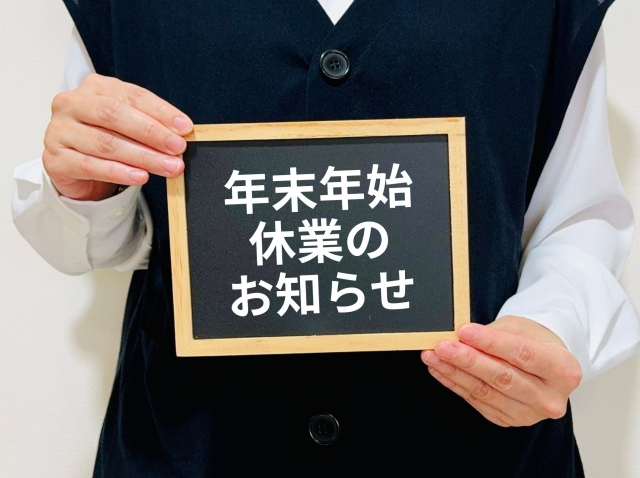
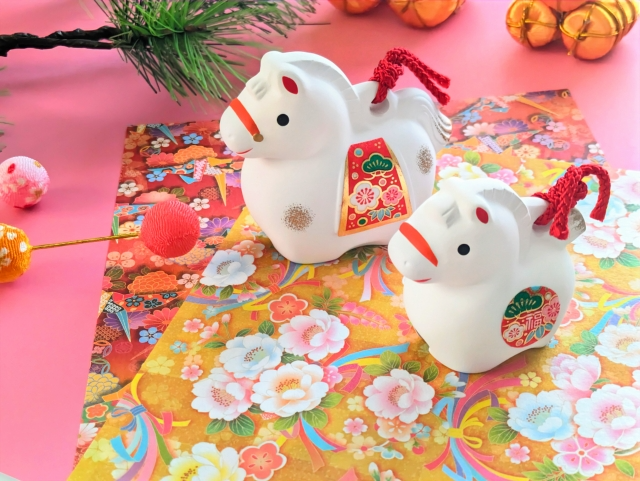
Some people may think that working during New Year’s week, called nenmatsunenshi in Japan, is sad and considered a negative thing. Basically, most Japanese companies close during the last and first days of the year. This year, most companies closed from 30 December to 4 January, although this may vary. During this period, most Japanese people return to their hometowns to spend time with their families and, of course, to rest. Most establishments, including supermarkets, are closed during this period or have reduced opening hours.
In previous years, I mostly rested during that period, but this year was a little different. When I told some people that I was going to work during those days, many told me how unlucky I was. The reality couldn’t be more different: I decided to work during that time myself. Why did I decide to work during nenmatsunenshi?
The comfort of the train
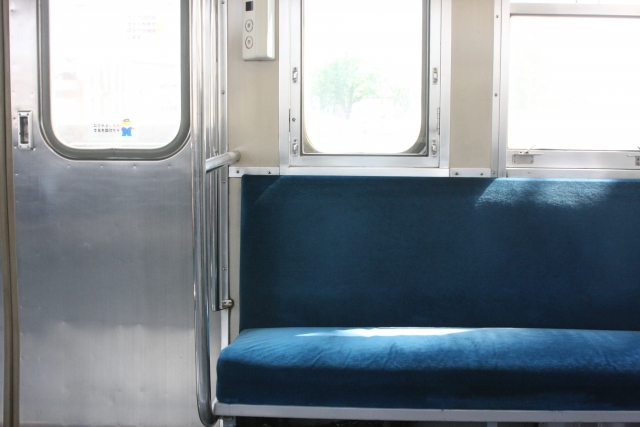
At least in Tokyo, believe me when I say that getting on the train at 8 in the morning can be an odyssey (in a bad way). There are lots of people, all rushing to get to the office on time, so we’re all crammed into the train, and you’re sure to get pushed around a bit. But during nenmatsuenshi, there is hardly anyone around, as most Japanese people have returned to their hometowns and are not working. Travelling by train was a wonderful experience, and on most days I was even able to find a seat! Something unthinkable on weekdays.
Amount of work
This will surely depend on the company, but if it is a company not related or affected by these festivities, I think you will generally have more freedom. That was the case for me: I had a lighter workload, so I was able to work more calmly and efficiently.
Number of people in the office
In my company’s case, some departments do not have to work during the New Year, so the number of people going to the office to work decreased considerably. For me, this is a positive aspect as it creates a more pleasant, peaceful (and boss-free) environment.
Work today, rest tomorrow
Working during those days allowed me to take more days off in mid-December and during January. Personally, I don’t like working on weekdays for all the reasons mentioned above, so it’s better for me.
How was my experience?
Some of you may wonder whether I regretted working on nenmatsunenshi or not, and the answer is clear: it was the right decision. I understand that for Japanese people, working on such a special day can be a negative thing, but for many foreigners who do not have family in Japan, it does not make much difference. It’s true that on the one hand you can feel a little lonely, as there are people important to you in Japan who are celebrating, but at the end of the day, I tried to see it as just another few days of the year, not as something special. Would I do it again next year? Without a doubt! I want to travel peacefully on the train, and that alone is enough for me.