A Journey Through Japan’s Citrus Paradise: My Trip to Ehime
JAPANESE FOODS
07.03.2026
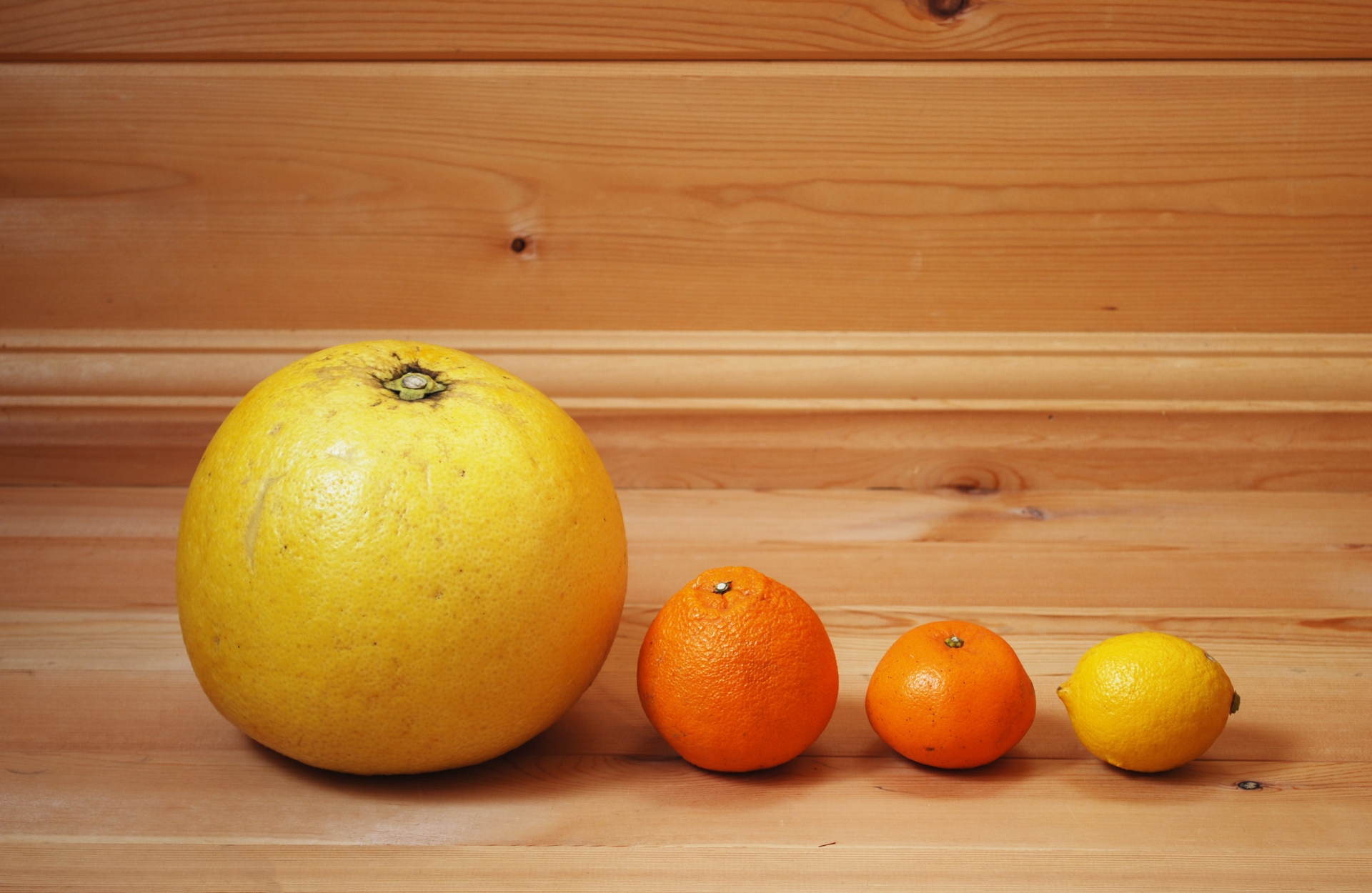
Japan is home to an incredible variety of citrus fruits. When I traveled to Ehime Prefecture last year, I visited a shop where you could try juices made from many different types of citrus, and I was amazed by the sheer variety. Today, I’d like to share some of my favorite Japanese citrus fruits and memories from my trip to Ehime.
Childhood Memories of“Mikan“
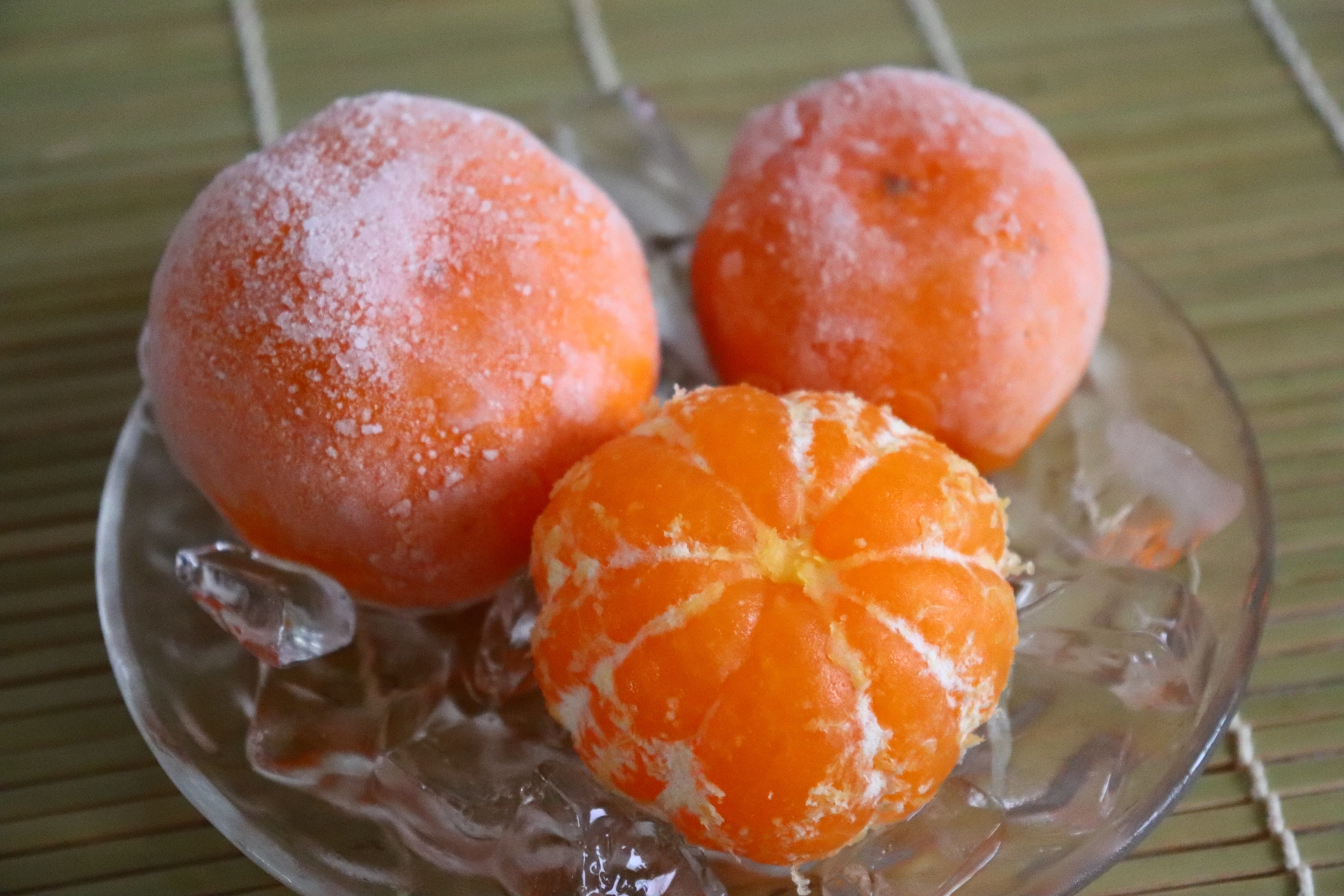
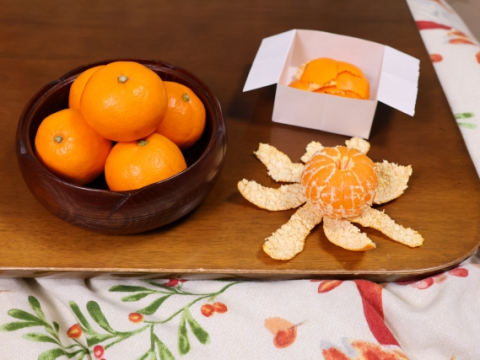
The most popular citrus in Japan is undoubtedly the mikan(Satsuma mandarin). For many Japanese people, winter isn’t complete without a bowl of mikan and a kotatsu(a heated table with a blanket). When I was little, my mother encouraged me to eat one every day to stay healthy and prevent colds. Another fond memory is“reito mikan“(frozen mandarins), which were served in school lunches—they were my absolute favorite dessert!
The Yuzu Bath Tradition
You might have heard of yuzu abroad. Because it is quite tart, we rarely eat it as-is. Instead, we make it into jam or use thin slices of the rind to add a refreshing aroma to stews and pickles.
Japan also has a custom of taking a“yuzu-yu“(yuzu bath) on the Winter Solstice. As the name suggests, you float whole yuzu fruits in the hot bathwater. I remember staying at my best friend’s house years ago, and they prepared a yuzu bath just for me. I was so touched! The fresh, citrusy scent was incredibly relaxing and warmed my body to the core, helping me get a great night’s sleep.(Just a quick tip: it might not be suitable for those with sensitive skin, so please be careful!)
In Japanese zoos, capybaras also enjoy taking yuzu bathes.
My Favorites: Hassaku and Dekopon
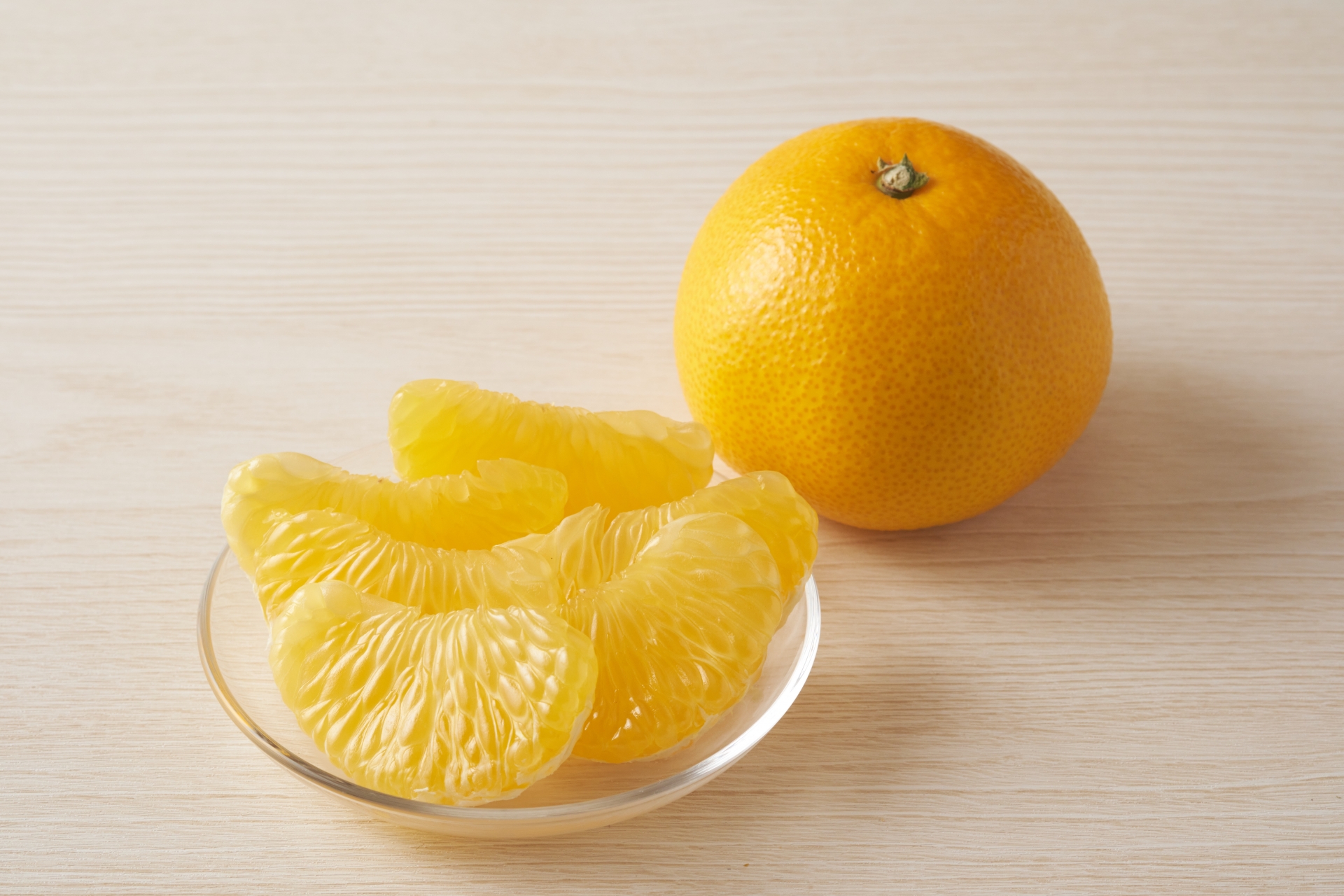
Hassaku is a fruit similar to grapefruit, but with a thicker rind and a crisp, refreshing tartness. It tastes like a perfect cross between a mandarin and a grapefruit. If you ever find one, you should definitely try it!
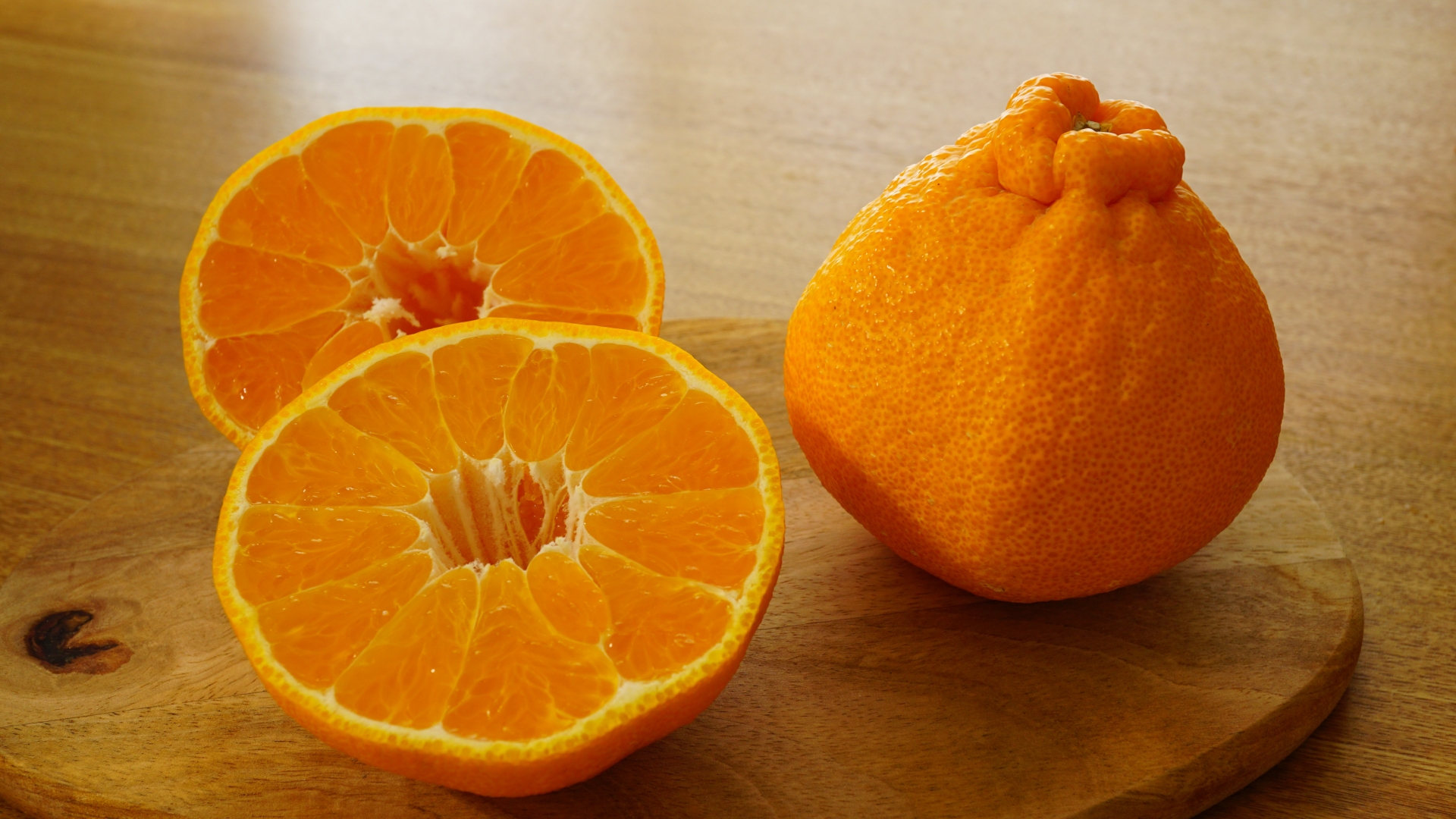
Then there is the dekopon, which has such a cute name. It has a distinctive bump near the stem that looks like a protruding forehead—”deko” means forehead in Japanese. Since one of its parent varieties is the“ponkan,” it was named dekopon. They are in season in early spring and are incredibly sweet and juicy.
Memories from Ehime
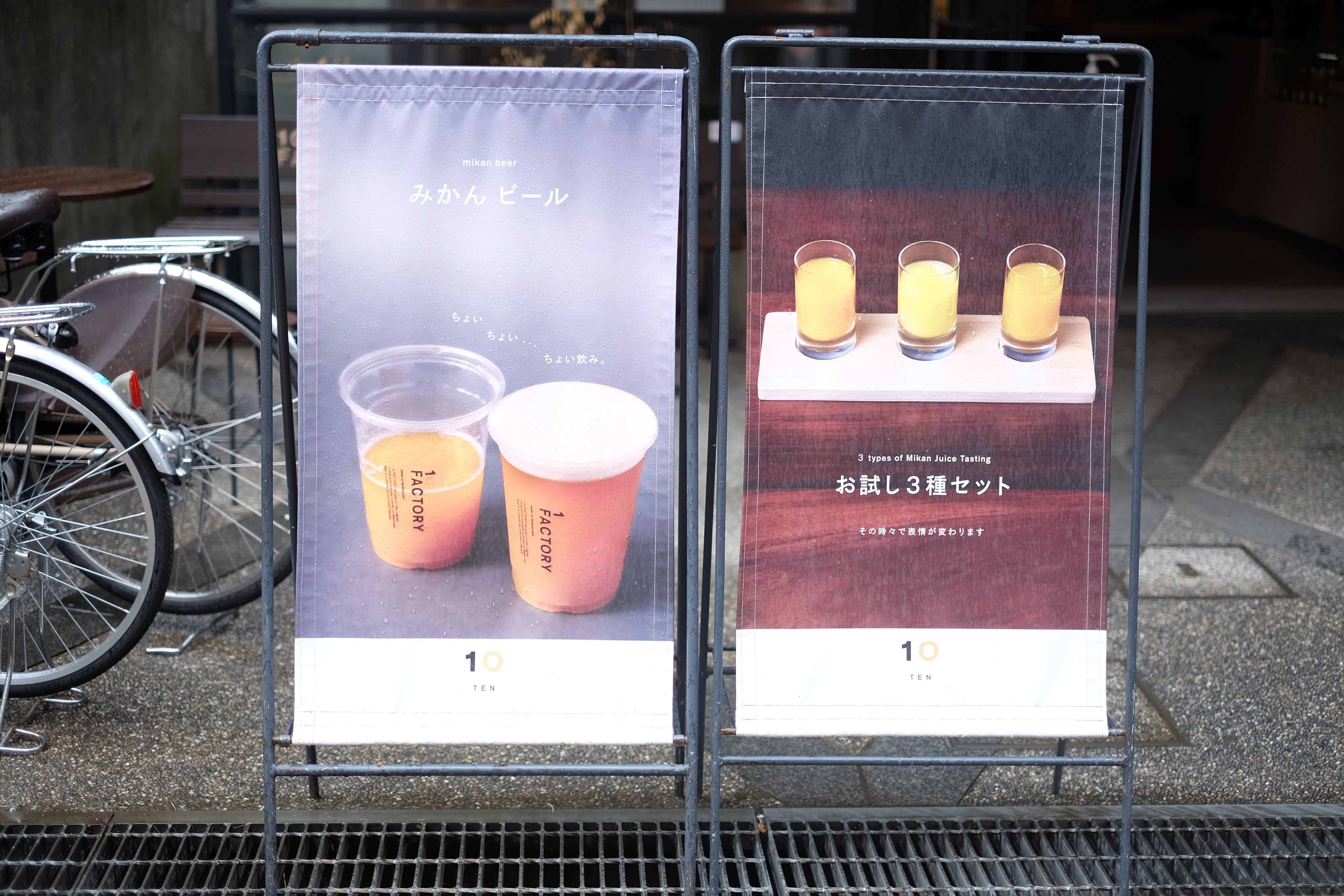
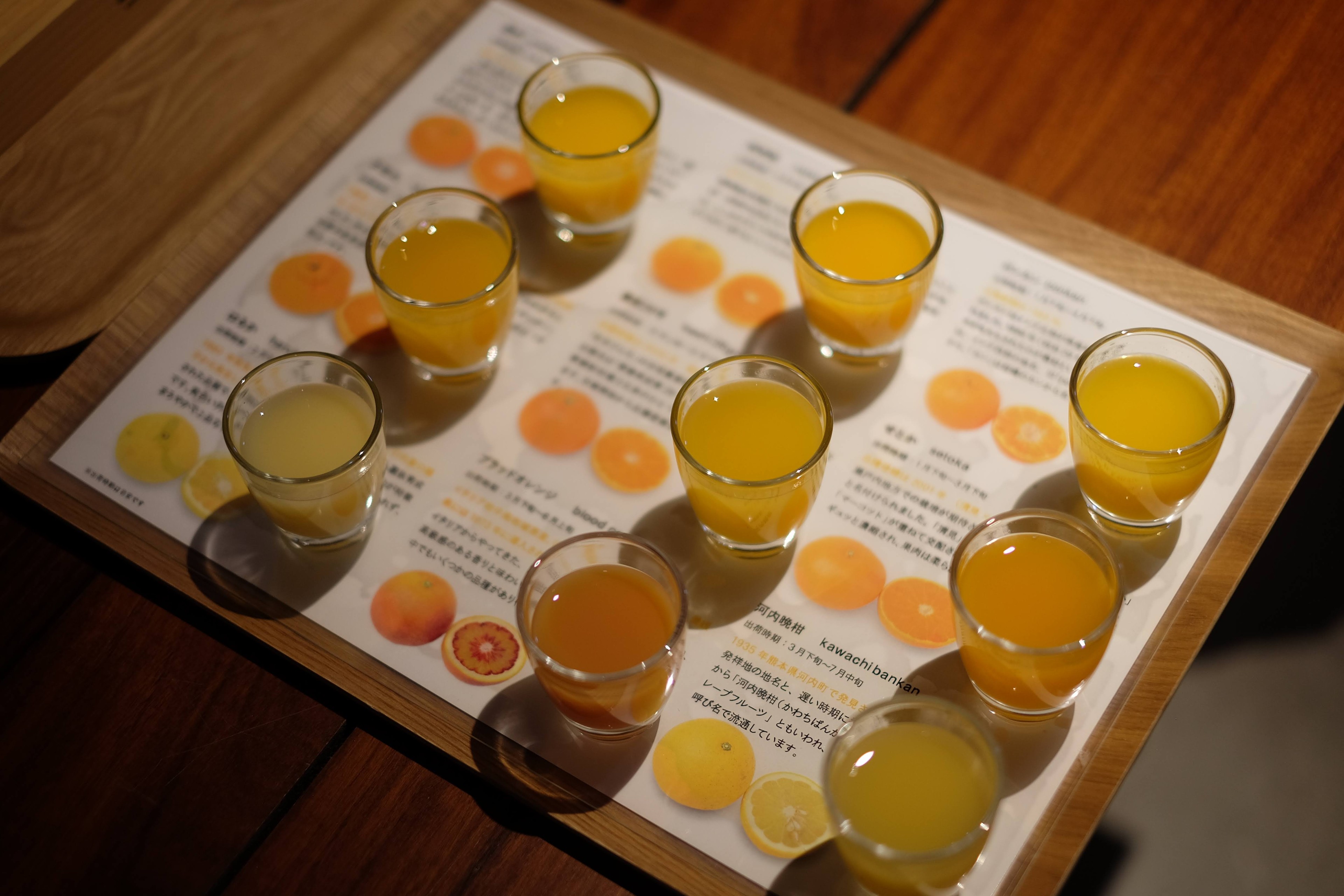
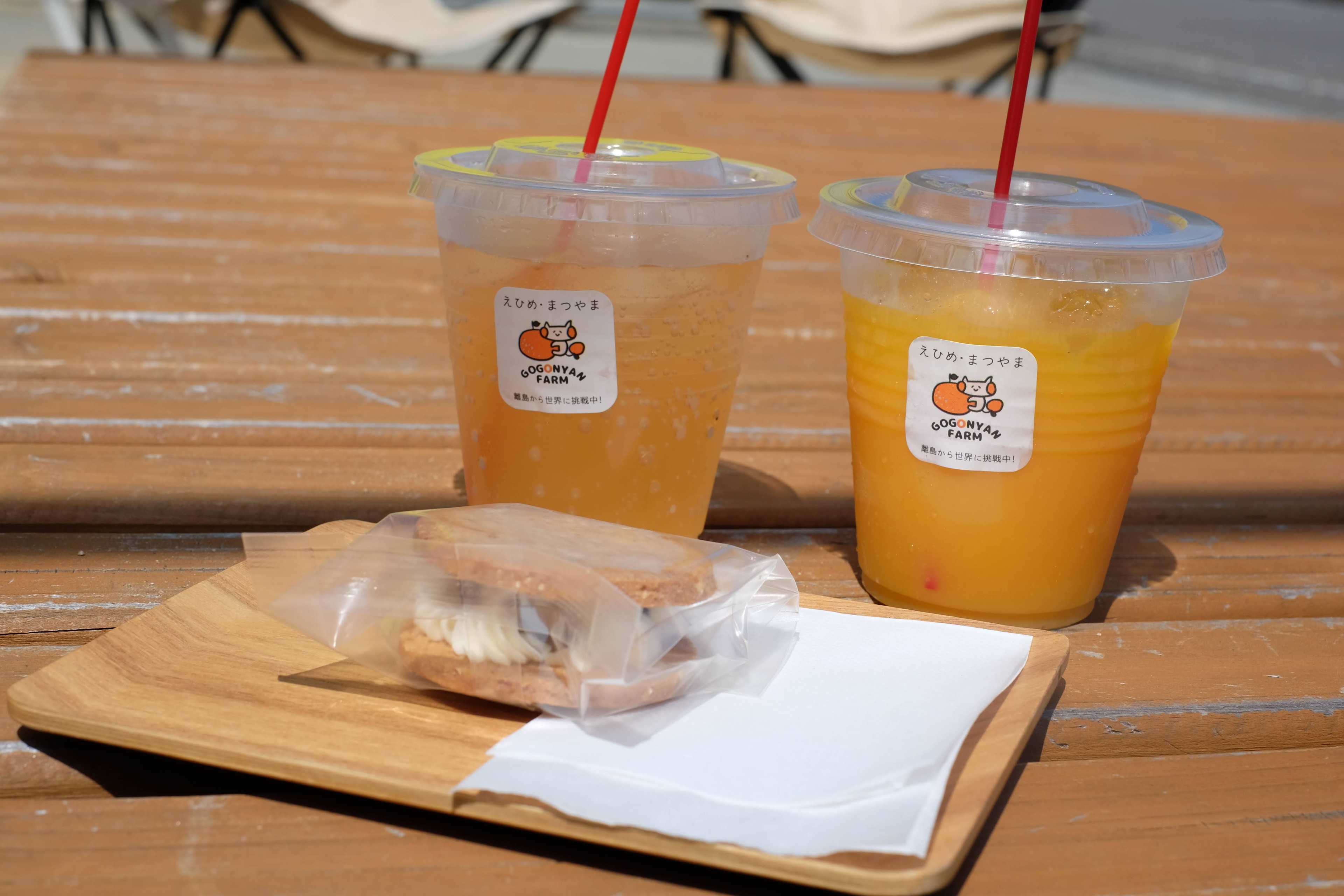
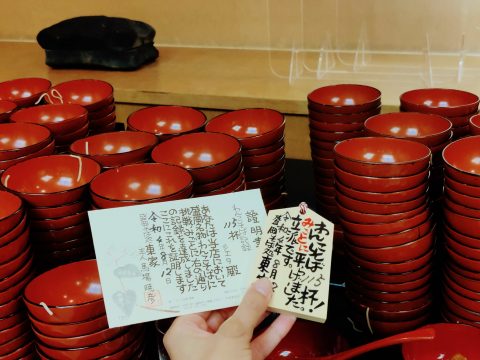
Ehime Prefecture is famous for its high production of delicious citrus. At the souvenir shops, I found everything from citrus jellies and cakes to mikan–infused beer and even moisturizing hand creams! I also visited a“Mikan Juice Bar,” where I could do a tasting flight of over 10 different types of juice. It was fascinating to taste how the sweetness and acidity changed depending on the variety.
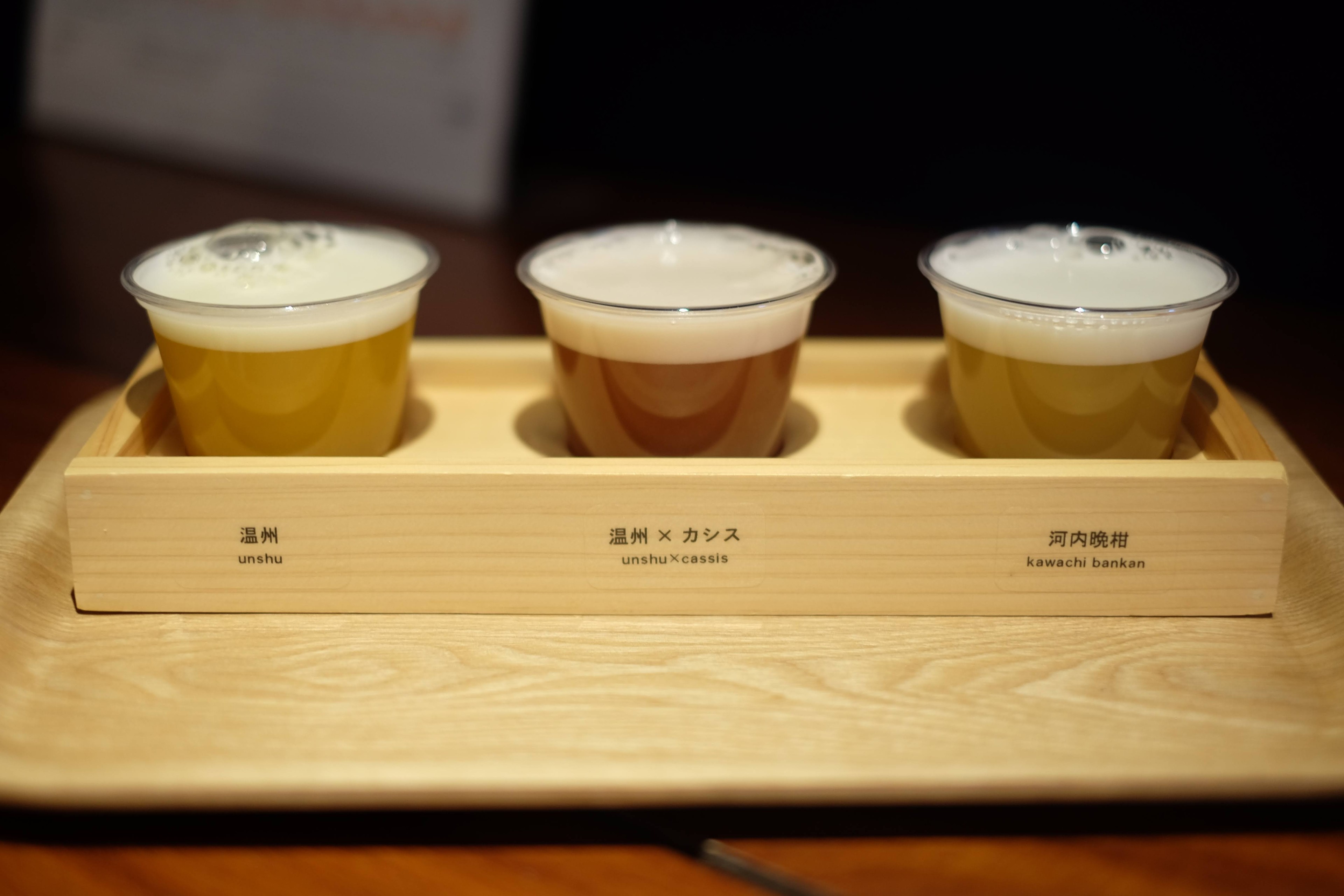
I also tried a flight of different mikan beers—they were very refreshing and easy to drink!
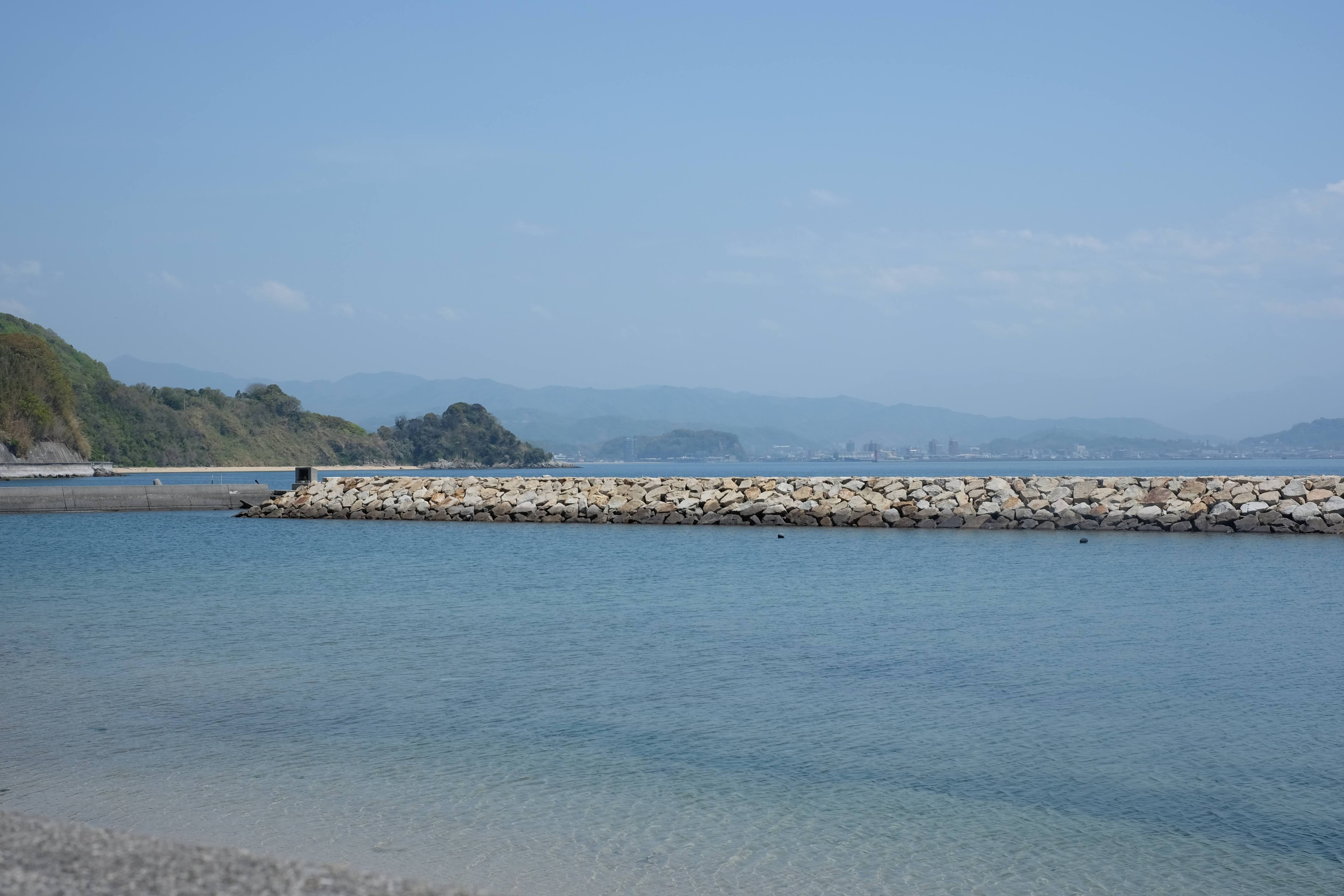
I also took a day trip to Gogoshima Island. It’s only about an hour from downtown Matsuyama by train and ferry. I rented a bicycle to explore the island and was greeted by the stunning contrast of the blue sea and endless groves of citrus trees.
Enjoy Japanese Citrus Fruits!
There are so many types of citrus in Japan that even Japanese people don’t know them all! I hope you can find your own favorite someday. And if you ever have the chance to visit Ehime, be sure to enjoy the juice tastings and the unique mikanbeers!
Junko Mikami
Junko was born and raised in Kanagawa Prefecture. She spent about three years working and traveling in New Zealand and Australia, followed by trips to North America, Southeast Asia, and Northern Europe. Living abroad made her appreciate Japanese food and culture even more. She now lives in Tokyo, Japan with her American husband.