Omurice (オムライス)
JAPANESE FOODS
09.03.2026
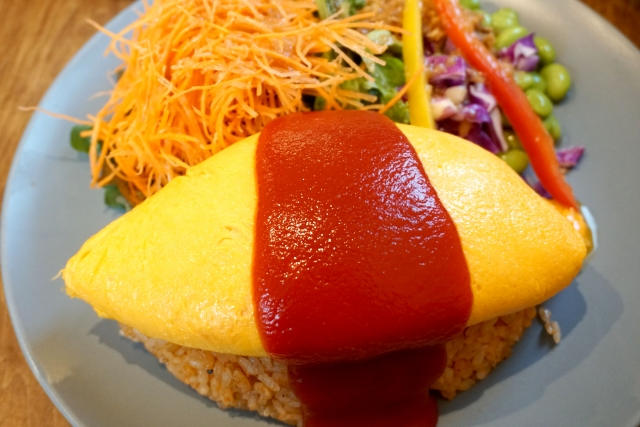
オムライス (Omurice) is one of Japan’s most beloved comfort foods: a delicious fusion dish that blends Western ingredients with Japanese tastes. Its name combines “omelette” and “rice,” and at first glance, that’s exactly what it is: seasoned rice wrapped in a soft, fluffy egg. But beyond its simple appearance lies a rich history and cultural significance. Here are three main points that define this iconic dish.
A Symbol of Yōshoku
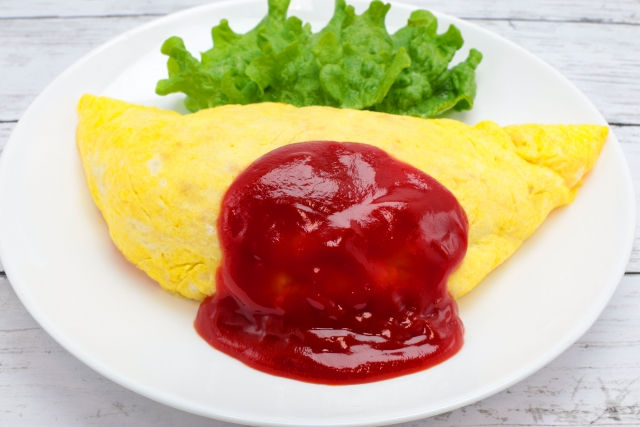
Omurice is a classic example of yōshoku, a category of Western-inspired dishes that were adapted to suit Japanese palates during the late 19th and early 20th centuries. Unlike traditional Japanese cuisine (washoku), yōshoku incorporates ingredients like ketchup, butter, and meat in ways that feel both Western and distinctly Japanese. Omurice typically consists of fried rice flavored with ketchup, chicken, onions, and sometimes vegetables. The rice is then wrapped in a thin omelette or topped with a soft, custardy egg. The finishing touch is usually a drizzle of ketchup on top, often decorated with a playful design. While the ingredients may seem simple, the balance of sweet tomato flavor and savory rice makes it uniquely satisfying.

Childhood memories for Japanese people?
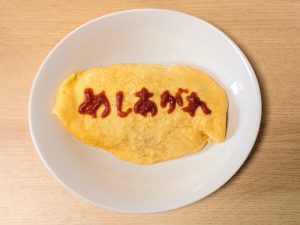
For many Japanese people, omurice is closely tied to childhood memories. It’s a common home-cooked meal because it’s easy to prepare and uses affordable ingredients. Parents often draw hearts, names, or smiley faces in ketchup, turning the dish into something warm and personal.

So… is it not possible to eat it at restaurants?
It’s also popular in casual restaurants, cafés, and family diners. Some establishments elevate omurice into a gourmet experience, serving it with demi-glace sauce, creamy scrambled-style eggs, or premium ingredients. Despite these variations, the core feeling remains the same: comfort, warmth, and familiarity.

The Best Omurice I’ve Ever Eaten
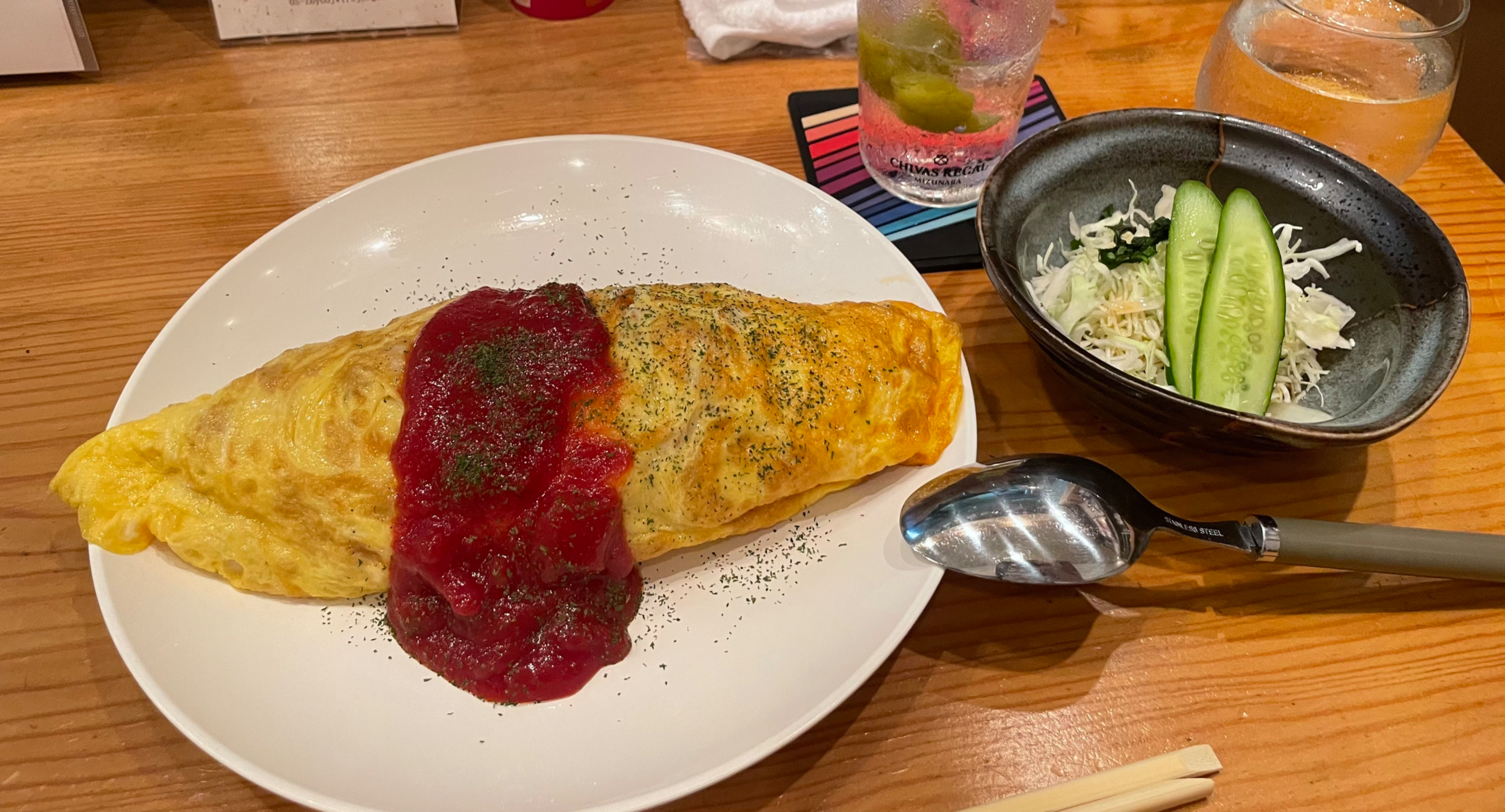
I mentioned earlier that it can easily be found on the menus of some restaurants and cafés. But the best one I’ve ever tried was at an izakaya! The owner knew exactly what he was doing and, instead of using ketchup, he made his own sauce with tomato as a base. I still remember its flavour, and it makes my mouth water.

Carmen Alvarez
Carmen grew up in a city in southern Spain. After graduating from university, she decided to move to Tokyo to study Japanese. She enjoys walking the streets of Japan, discovering new places and trying different Japanese dishes.
Read previous articles by the writer
Read latest articles
KEYWORDS
- # PICKPICK
- # Resume
- # alcohol
- # Rice
- # Soup
- # winter food
- # Fast Food
- # seafood
- # spicy foods
- # raw food
- # fermented food
- # Transportation
- # MEAT
- # Edo culture
- # suits
- # clothing
- # drink
- # fish
- # seasoning
- # Japanese New Years Foods
- # Toshikoshi soba
- # Osechi Ryori
- # Ozoni
- # Christmas
- # Japanese fusion pasta
- # Wafu Pasta
- # Japanese Hot Pot
- # なべ
- # 鍋
- # Miyazaki
- # Chicken Nanban
- # Karamen
- # Autumn Wagashi
- # Mushi-yokan
- # Imo-yokan
- # Japanese Autumn Fruits
- # Autumn
- # Vending Machine
- # fall
- # dango
- # Chestnut rice
- # saury
- # Mushroom
- # Rice vinegar
- # Japanese condiments
- # 調味料
- # Sake
- # Mirin
- # Soy sauce
- # Japanese Noodles
- # Udon
- # Ramen
- # Yakisoba
- # Soba
- # Japanese Seaweed
- # 海藻
- # かいそう
- # Payslip
- # Training
- # Japanese summer foods
- # 和菓子
- # Wagashi
- # ryokucha
- # 夏
- # 飲み物
- # Ramune
- # ラムネ
- # Pokari Sweat
- # ポカリスエット
- # Calpis
- # カルピス
- # Mugicha
- # ume
- # 梅
- # うめ
- # umeshu
- # job hunting
- # tofu
- # Recruitment in Japan
- # miso
- # Japanese cuisine
- # Yellowtail and bonito
- # Children’s Day
- # Kashiwa Mochi
- # Chimaki
- # fruits
- # Kusamochi
- # Types of Agriculture in Japan
- # bread
- # パン
- # パン屋さん
- # japanese bread
- # shokupan
- # meal blead
- # anko bread
- # 桜
- # さくら
- # cherry blossom
- # visa
- # hanami
- # omotenashi
- # sakura
- # おもてなし
- # Japanese hospitality
- # oshibori
- # wet hand towel
- # hand towel
- # restaurant
- # Commuting in Japan
- # Women-only cars
- # Exit gate
- # japanese train
- # train
- # valentine
- # Japanese sweets
- # 朝食
- # Japanese Breakfast
- # Breakfast
- # Japanese
- # 日本
- # healthy
- # persimmons
- # hoshigaki
- # HR
- # work in Japan
- # jinji ido
- # corporate systems
- # Japanese work culture
- # bento
- # ekiben
- # shinkansen
- # omiyage
- # train station
- # Japanese culture
- # work culture
- # mentaiko
- # umeboshi
- # Japanese snacks
- # potato chips
- # Japanese potato chips
- # Japanese writing
- # seaweed
- # konbu
- # ocean foods
- # shio konbu
- # dashi
- # miso soup
- # food processing
- # pear
- # nashi
- # sweet potato
- # japanese sweet potato
- # stingray
- # satsuma imo
- # food value chain
- # homecooking
- # agriculture
- # Japanese homecooking
- # farming
- # nikujaga
- # shojin ryori
- # meat and potatoes
- # traditional foods
- # comfort food
- # buddhist food
- # manufacturing
- # factory
- # eihire
- # vegetarian
- # food and beverage
- # izakaya
- # yatai
- # japanese festival
- # taiyaki
- # matsuri
- # summer
- # Ikayaki
- # smart agriculture
- # shaved ice
- # kakigori
- # かき氷
- # summer dessert
- # Japan
- # Japanese foods
- # dessert
- # fruit
- # matcha
- # icecream
- # Pikcup
- # Pikc up
- # Pcikup
- # skilled labor visa
- # working visa japan
- # Dineer Table in Japan
- # Japanese manner
- # Japanese food
- # Japanese Table Manner
- # Chopsticks
- # Japanese traffic signs
- # traffic information
- # road rules in Japan
- # chocolate
- # green tea
- # Osaka
- # Work Japan
- # Japanese company
- # ikura
- # sushi
- # nigiri
- # wasabi
- # PCIK
- # PICK UP
- # PICK
- # PICKUP