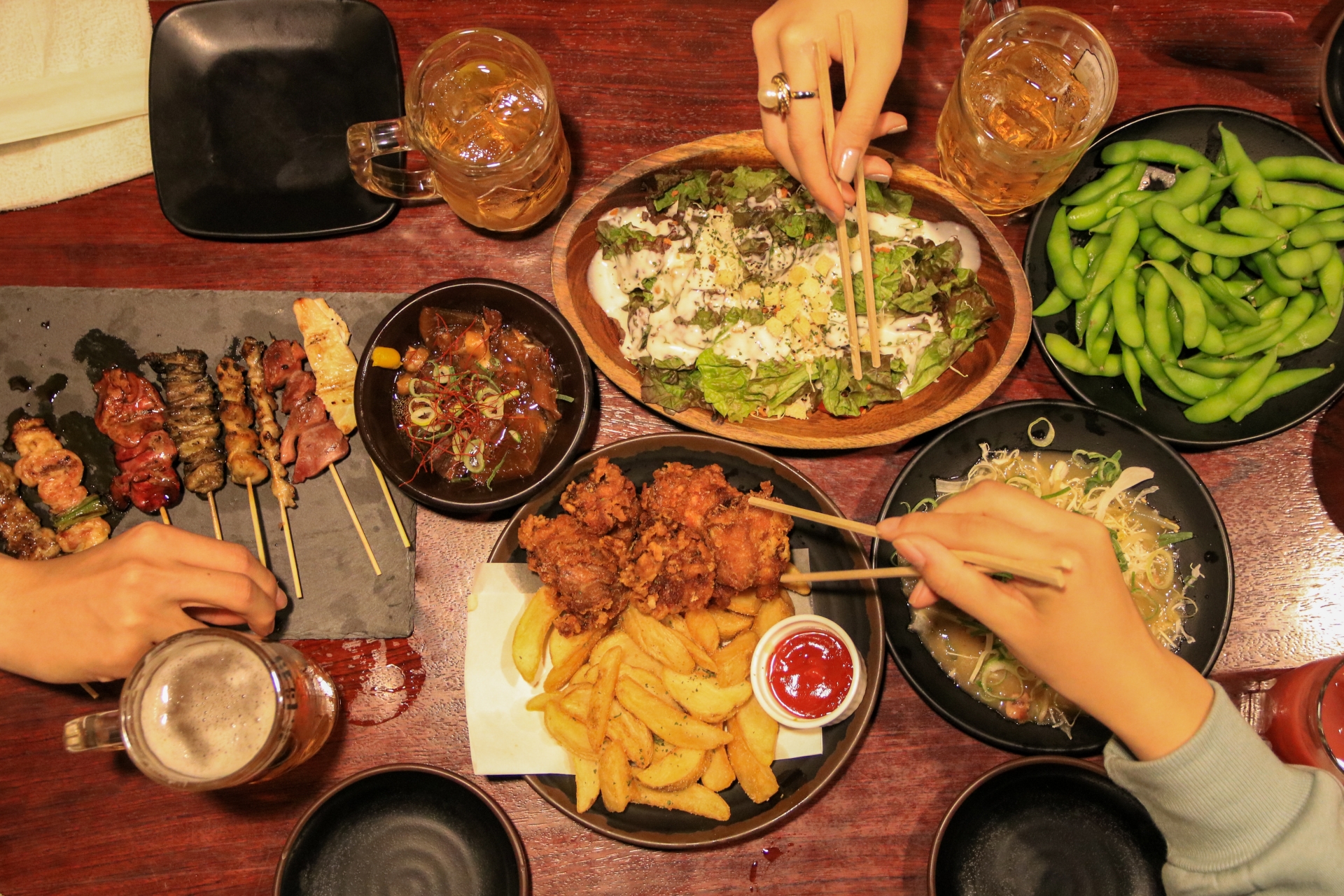
Have you ever been to a Japanese tavern called izakaya? I believe these traditional Japanese izakaya have a truly unique culture. Rather than just a place to have a meal, an izakaya is primarily a place to enjoy drinks. The food is typically served on shared plates, so you can order a wide variety of dishes and share them with your companions.
While the menu changes depending on which izakaya you visit, as there are so many types across Japan, the basic drink offerings are usually the same. Today, I’d like to introduce you to some of the unique drinks that are part of the izakaya culture, including some of my personal favorites!
Beer
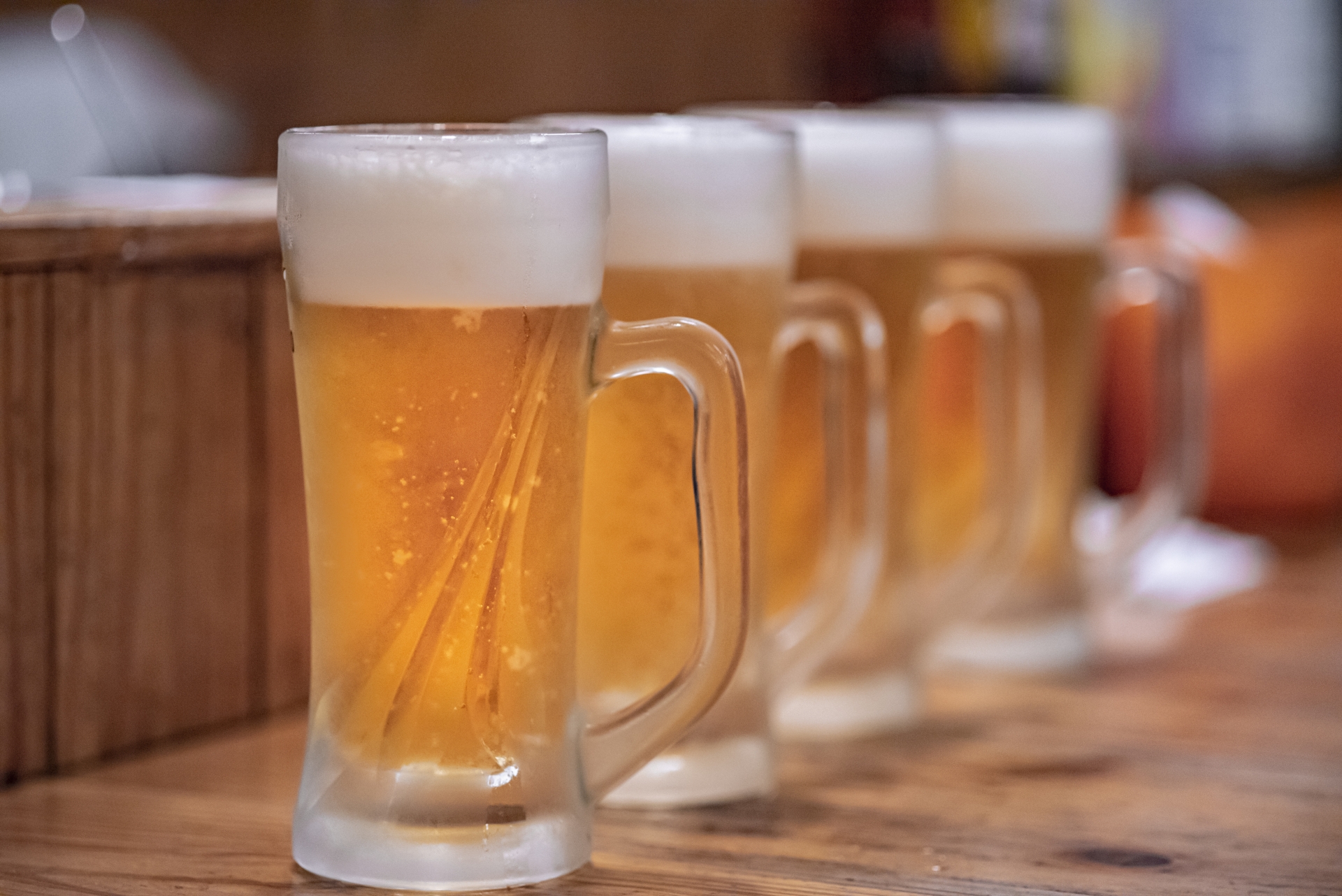
Generally, izakaya offers one or two types of beer, usually from the major brands like Asahi, Sapporo, Kirin, or Premium Malts (often shortened to Pre-Moru). Most Japanese people don’t spend much time debating the type; they simply order a nama-chu (draft beer in a medium mug). The beer is always served ice-cold, as appreciating its crisp, refreshing nodogoshi (smooth throat-feel) is essential.
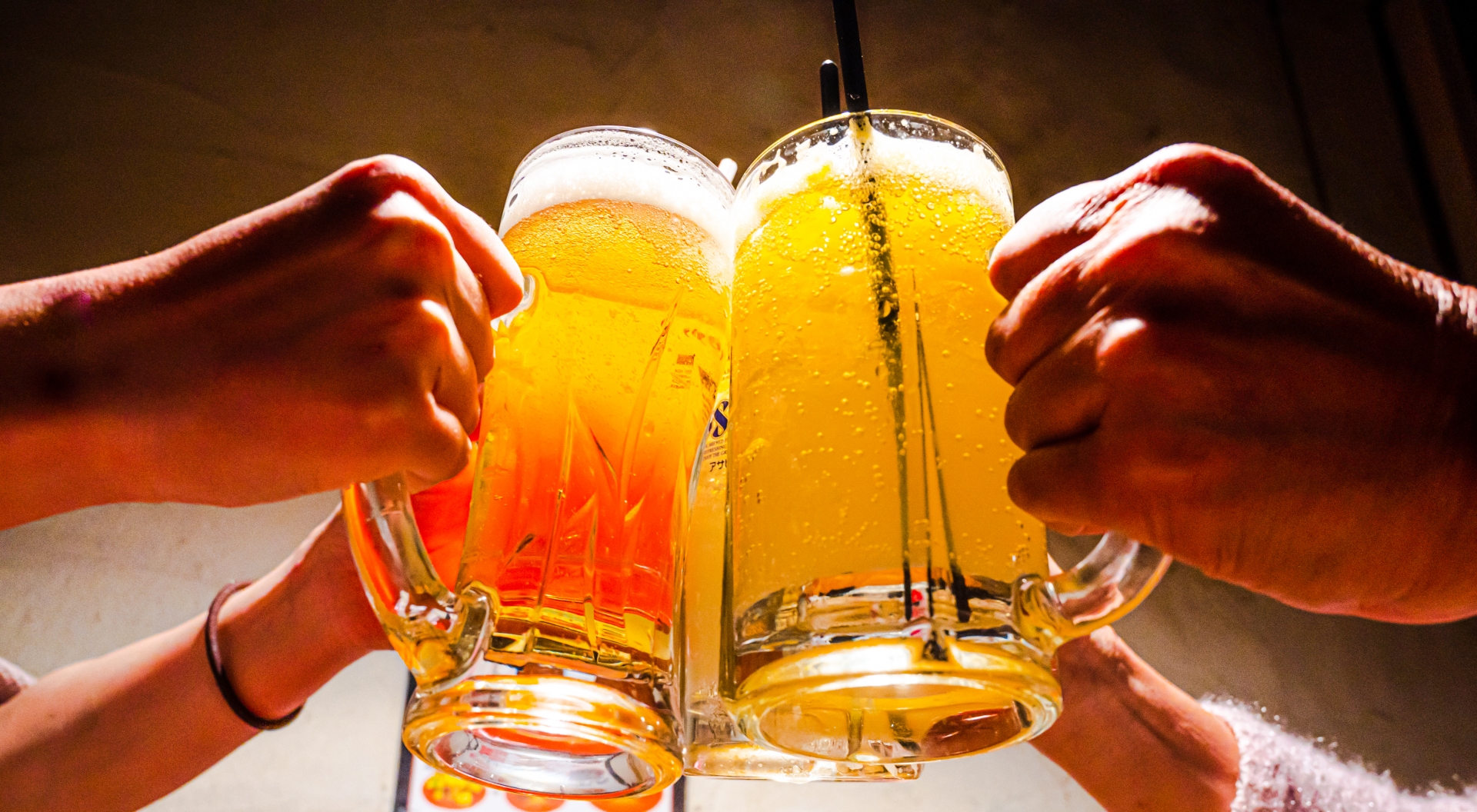
You’ll often hear the phrase “Toriaezu nama” (A draft beer to start). At large gatherings, everyone typically orders beer first, and the drinking session begins with a hearty cheer!
Chu-Hi (Shochu Highball)
Until I lived abroad, I genuinely thought Chu-Hi was a standard drink found everywhere in the world! It’s essentially a mixed drink made by combining shochu (a Japanese distilled spirit made from ingredients like barley) or sometimes vodka, with carbonated water, tea, or various fruit juices.
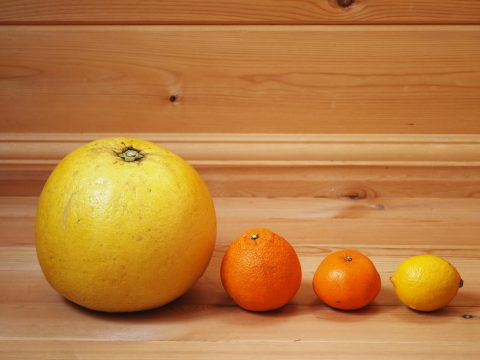
There is a wide variety of flavors. The classics include lemon sour, grapefruit sour, oolong hai, and ryokucha hai (green tea highball).
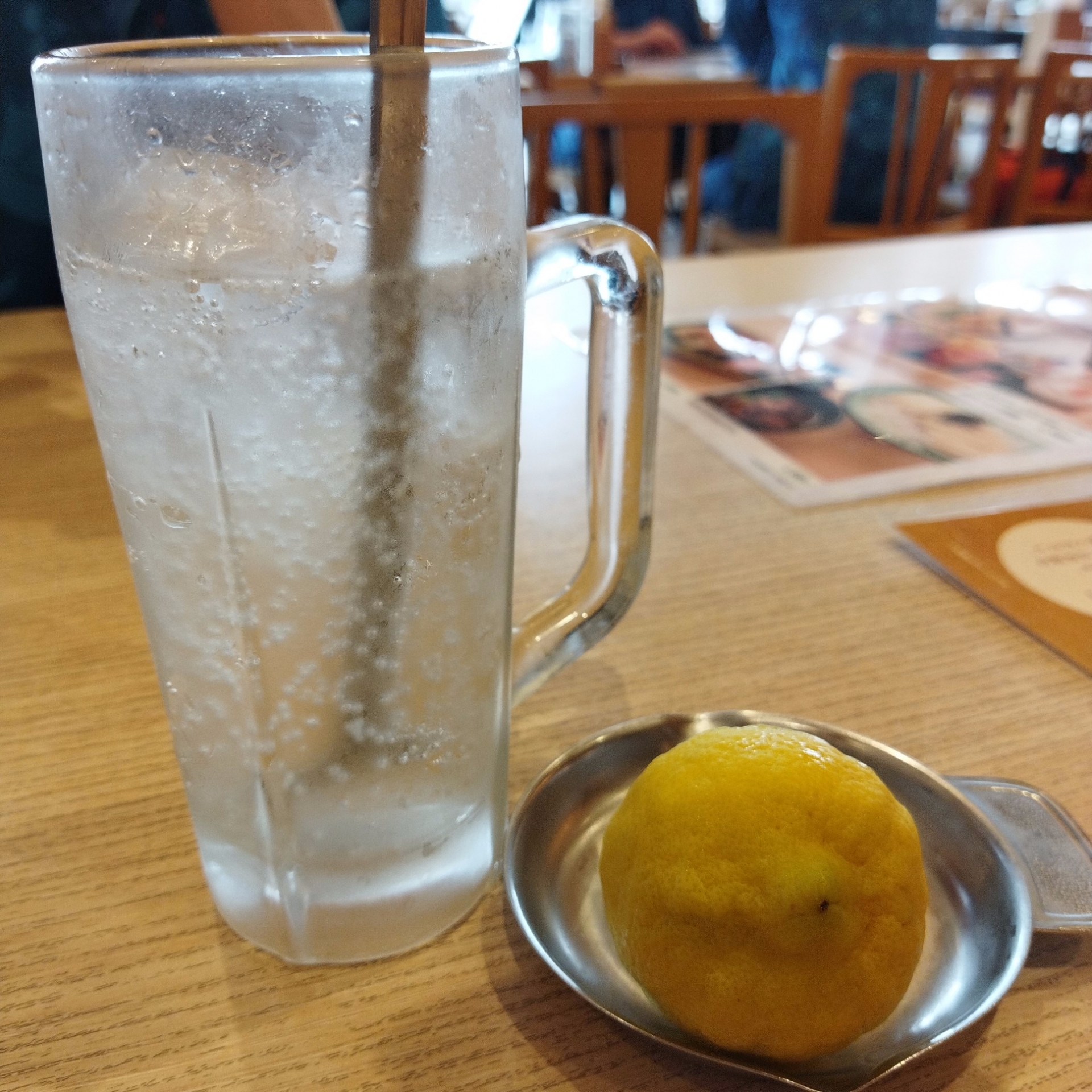
My absolute favorite is the nama-shibori lemon sour (freshly squeezed lemon sour). In some izakaya, you’ll be served a glass containing shochu, ice, and soda water, along with a lemon squeezer and a half-cut lemon. Then, you get to squeeze the fresh juice right into your drink! I love it because it pairs well with any dish, and you can truly enjoy the fresh lemon aroma and taste.
A Deeper Dive: Hoppy
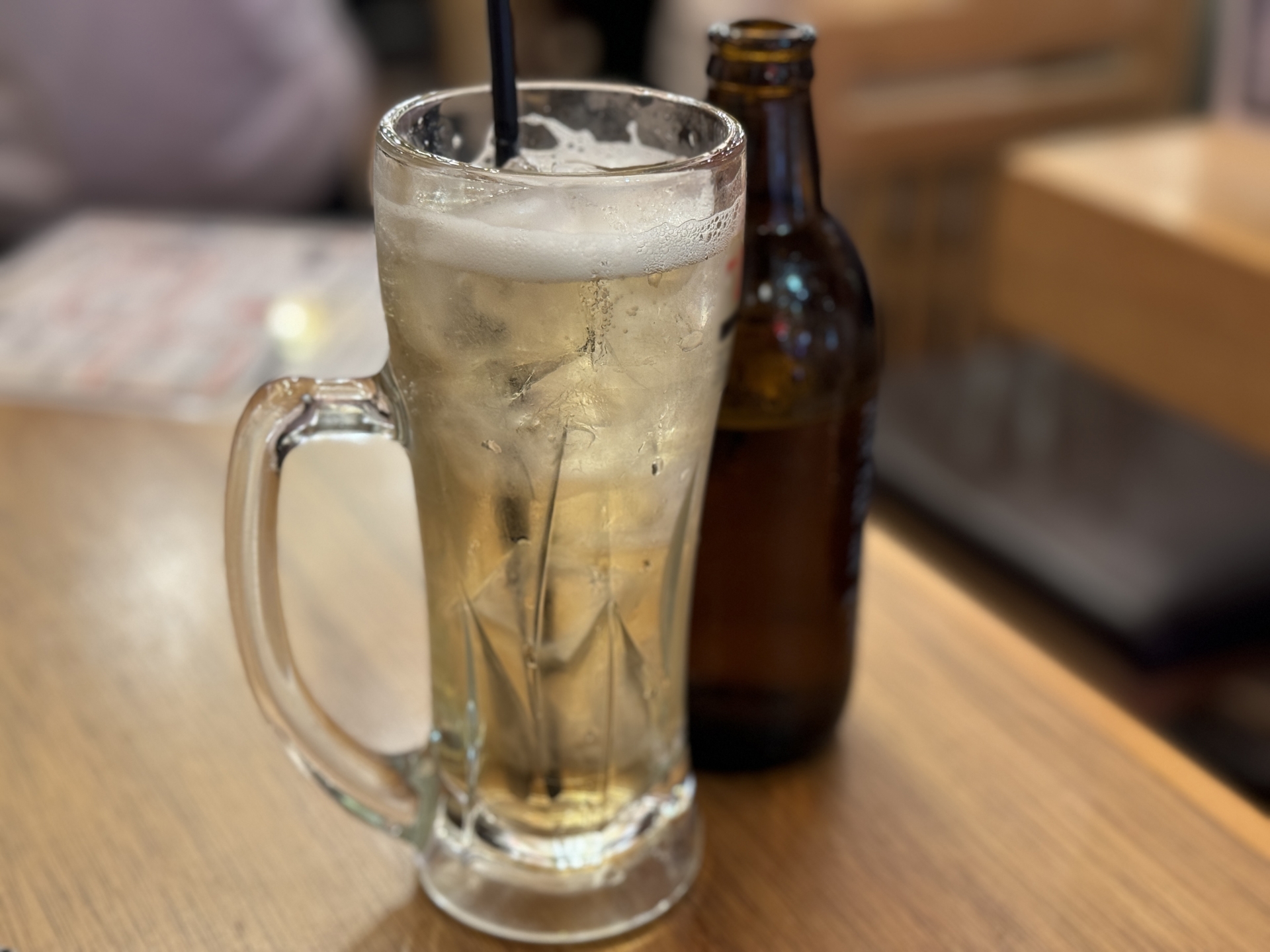
When talking about the “deeper,” more traditional drinks at an izakaya, you can’t overlook Hoppy. Hoppy is a beer-flavored, very low-alcohol beverage that is mixed with shochu in an ice-filled glass. The taste resembles beer, and since you can adjust the ratio of shochu, you can customize the strength to your liking. My father often orders Hoppy whenever he spots it on the menu!
A Winter Treat: Dashi-wari
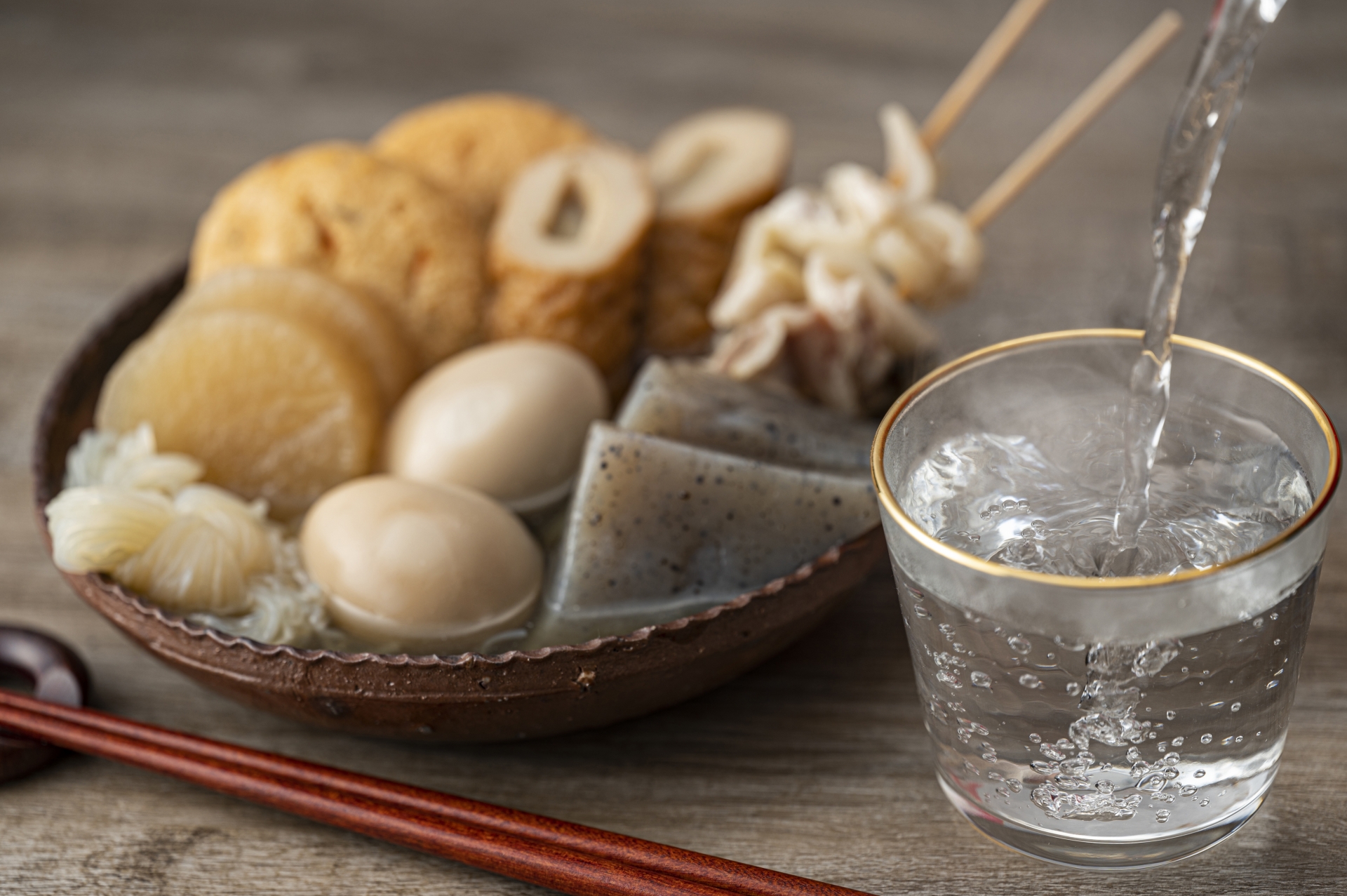
A special drink that appears in winter is dashi-wari. This is made by mixing sake with dashi (a broth made from kombu and bonito flakes, often used in oden). Since the sake is mixed with the hot soup, it warms you up nicely. I first learned about this drink through an anime, and though I had never tried it, I absolutely loved it when I had my first taste last year!
My Favorite Unique Chu-Hi: Vice Sour
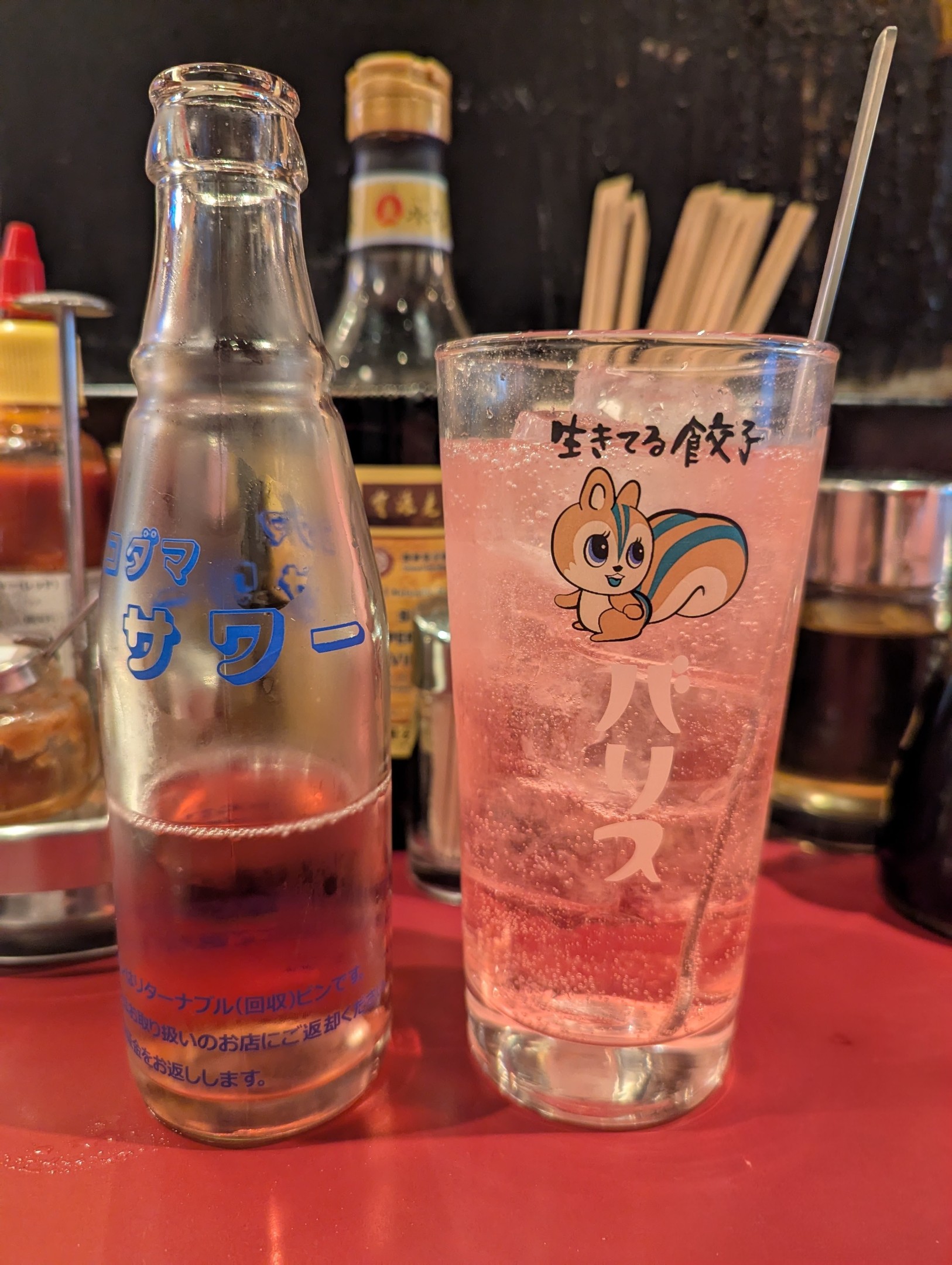
Vice Sour is a type of Chu-Hi, but it’s not a standard flavor and is only offered at certain specialized izakaya. It’s made by mixing shochu with a drink called “Vice,” which is made from perilla (shiso) extract and apple juice. The resulting drink is a beautiful pink color with a refreshing acidity and a hint of sweetness.
Despite being my top recommendation now, I hadn’t known about it until about three years ago! I remember being told about Vice Sour by an American friend who was visiting Japan. When I admitted I didn’t know what it was, she famously replied, “Are you really Japanese?!”
Cheers to the Izakaya Experience!
Have you tried any of the drinks I introduced, like Chu-Hi or Hoppy? Some izakaya even create their own cocktails and even more unique Chu-His. I highly encourage you to visit an izakaya, experience Japan’s distinctive pub culture, and find your own favorite drink!