Keihan( 鶏飯)
JAPANESE FOODS
28.01.2026
The cold weather in Tokyo signals the arrival of winter. So, I decided to escape for a few days to a warmer part of Japan: Amami Island. For four days, I was able to experience warm autumn weather again and, at the same time, try many of the delicacies the island has to offer. Among all of them, the most famous and popular is Keihan, which I knew nothing about until I set foot on Amami.
But first, where is Amami?
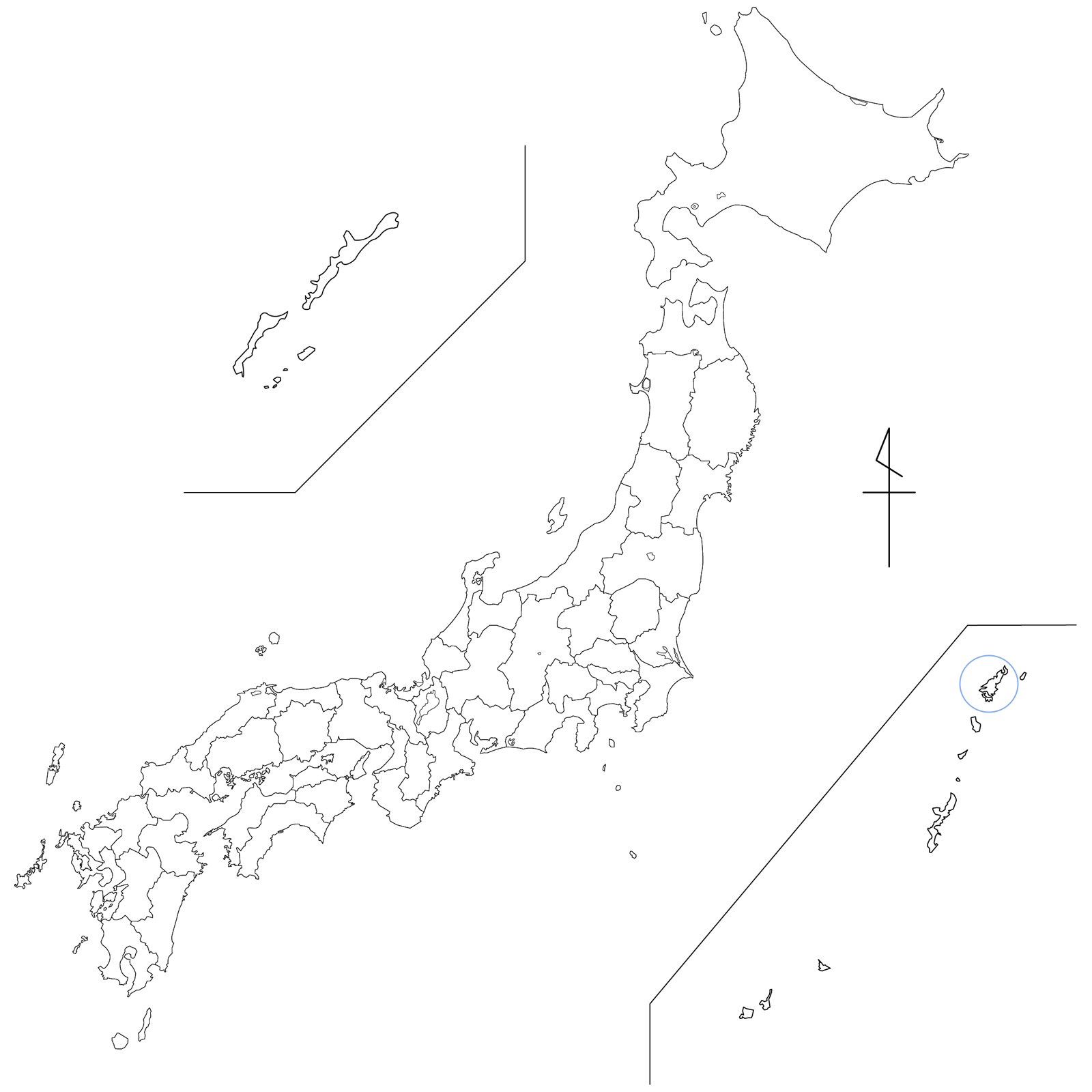
Everyone knows the island of Okinawa, but not many people, at least foreigners, know about Amami, even though it is not that far from Okinawa. Amami Island is located south of Kyushu and north of Okinawa. Many may think that it is part of Okinawa, when in fact it is part of Kagoshima Prefecture in Kyushu.

Keihan, its most symbolic dish
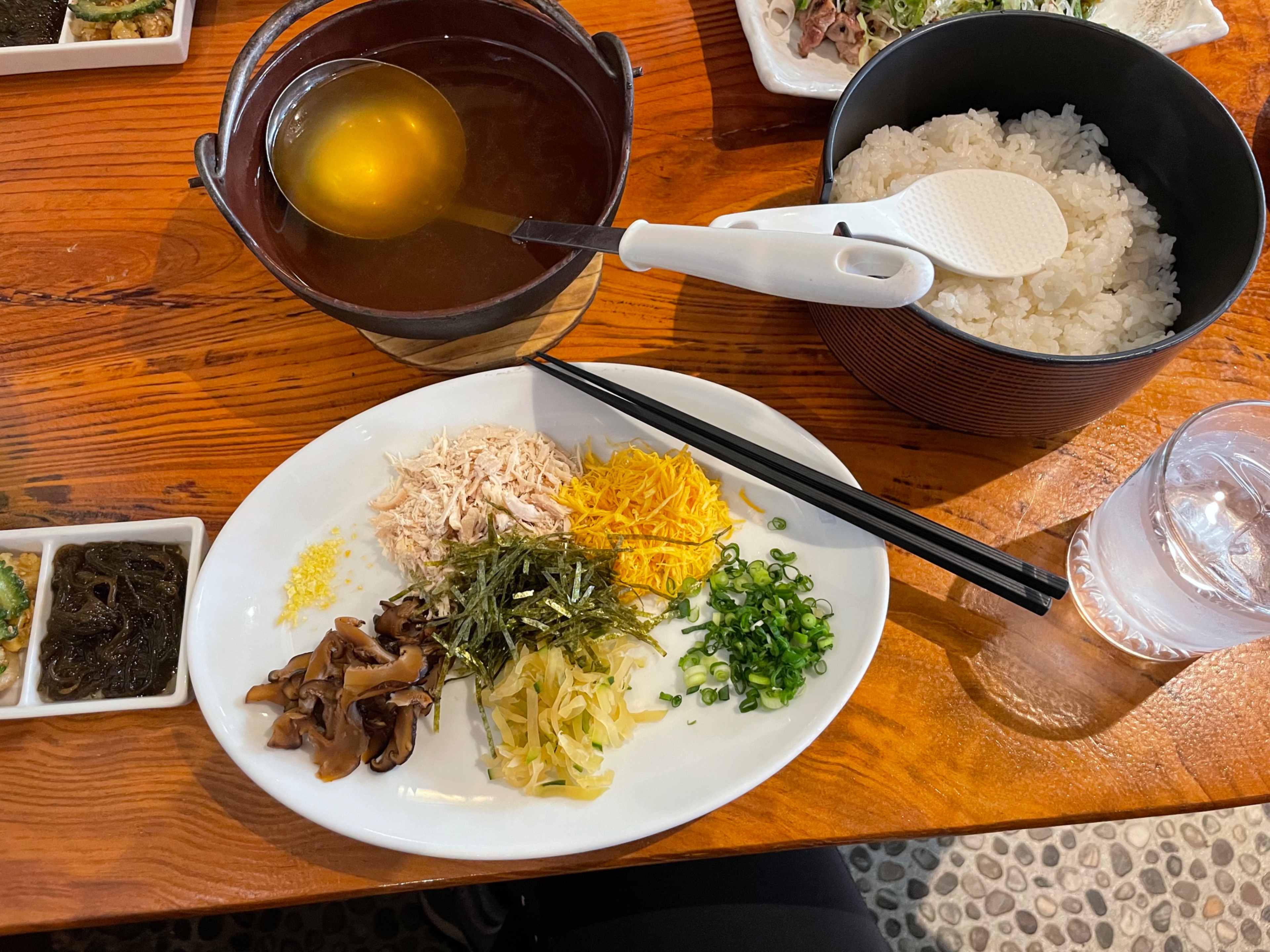
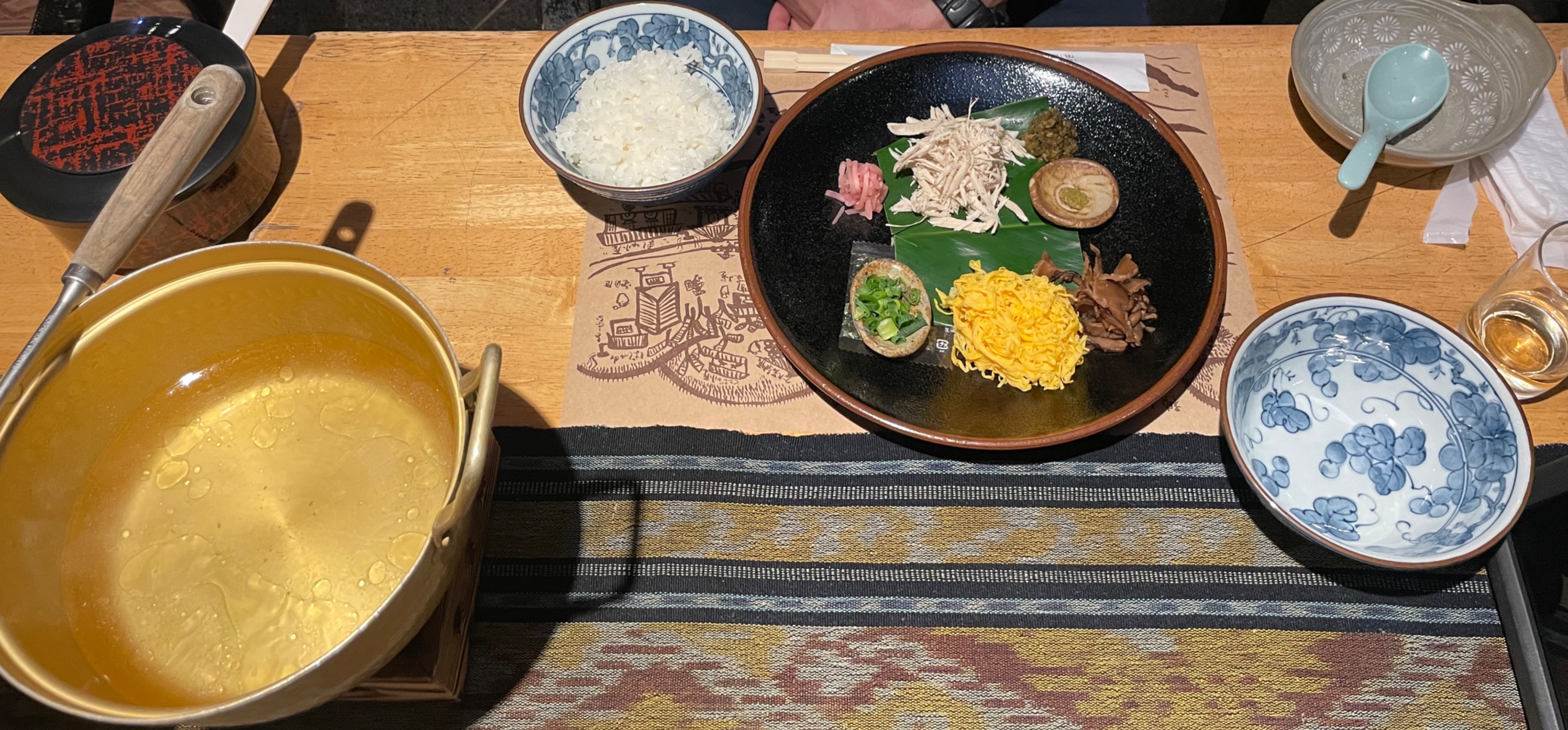
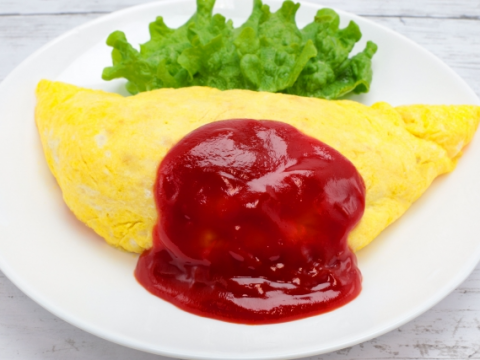
Keihan is a traditional dish from Amami Island, known for its simplicity and comforting flavour. It consists of white rice topped with shredded chicken, shredded omelette, mushrooms, citrus fruits and other ingredients. It is also served with a hot broth made from dashi, which is mixed with the rice and toppings to create a light and aromatic flavour.

What people say about Keihan
Basically, this dish always contains egg, chicken and mushrooms, but the rest of the toppings can vary depending on the restaurant. The flavour of the dashi broth can also vary. It is often said that you cannot find the same Keihan, as each restaurant or household makes it in a different way. Therefore, it is a good idea to go to several restaurants and order Keihan. This way, you will be able to see what different toppings they use and the type of broth they prepare.

Bonus: goat meat soup(ヤギ汁)
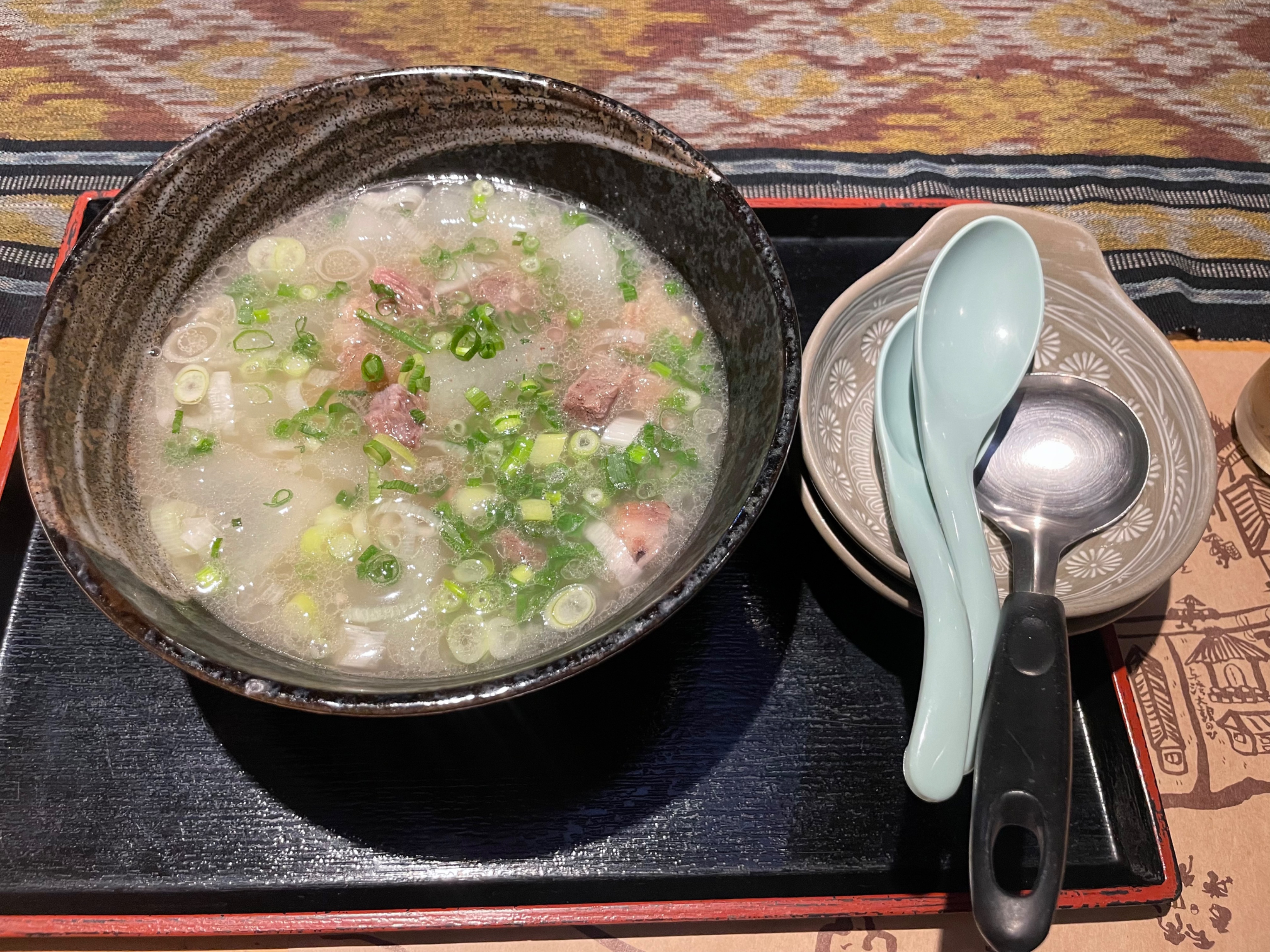
I couldn’t finish this article without mentioning this dish, as I was surprised to find goat meat in Japan. It mainly contains vegetables, such as daikon or negi, and of course, goat meat. If you come across this dish, I recommend you try it as it’s very tasty and very unusual.

Nature, tradition and history
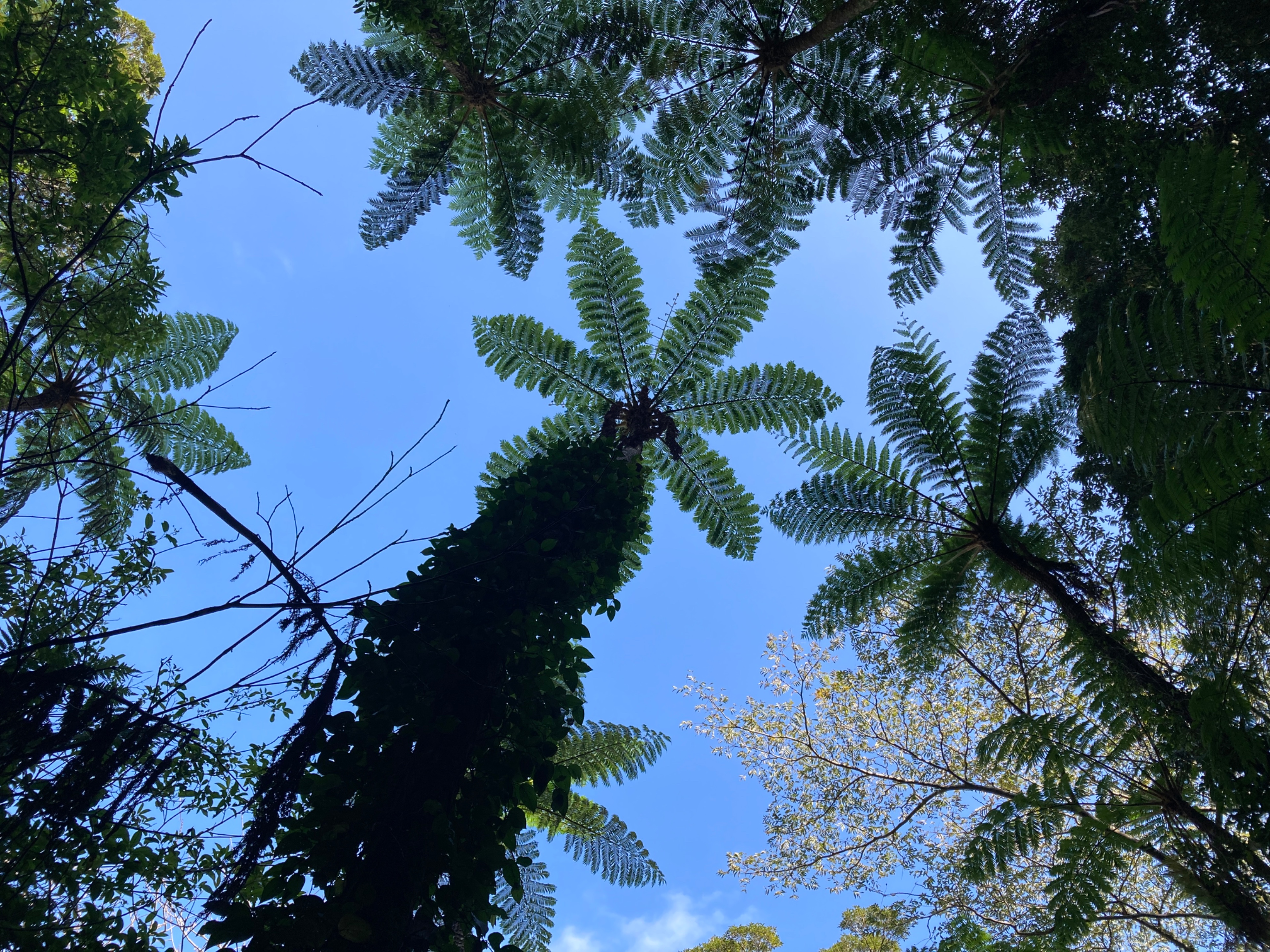
Not only is the food good, but it is also an island with lush nature, unique animals, a long history, traditions different from the main island of Japan and even Okinawa, and very friendly people, always with a smile and ready to help. From the Kinsakubaru Forest, declared a UNESCO World Natural Heritage Site, to the mangroves, beautiful beaches and unique animals such as the Quru Guru, Amami will not leave you indifferent. I can confidently say that this trip to Amami has left a mark on me, and that I will return to learn more about it.

Carmen Alvarez
Carmen grew up in a city in southern Spain. After graduating from university, she decided to move to Tokyo to study Japanese. She enjoys walking the streets of Japan, discovering new places and trying different Japanese dishes.
Read previous articles by the writer
Read latest articles
KEYWORDS
- # PICKPICK
- # Resume
- # alcohol
- # Rice
- # Soup
- # winter food
- # Fast Food
- # seafood
- # spicy foods
- # raw food
- # fermented food
- # Transportation
- # MEAT
- # Edo culture
- # suits
- # clothing
- # drink
- # fish
- # seasoning
- # Japanese New Years Foods
- # Toshikoshi soba
- # Osechi Ryori
- # Ozoni
- # Christmas
- # Japanese fusion pasta
- # Wafu Pasta
- # Japanese Hot Pot
- # なべ
- # 鍋
- # Miyazaki
- # Chicken Nanban
- # Karamen
- # Autumn Wagashi
- # Mushi-yokan
- # Imo-yokan
- # Japanese Autumn Fruits
- # Autumn
- # Vending Machine
- # fall
- # dango
- # Chestnut rice
- # saury
- # Mushroom
- # Rice vinegar
- # Japanese condiments
- # 調味料
- # Sake
- # Mirin
- # Soy sauce
- # Japanese Noodles
- # Udon
- # Ramen
- # Yakisoba
- # Soba
- # Japanese Seaweed
- # 海藻
- # かいそう
- # Payslip
- # Training
- # Japanese summer foods
- # 和菓子
- # Wagashi
- # ryokucha
- # 夏
- # 飲み物
- # Ramune
- # ラムネ
- # Pokari Sweat
- # ポカリスエット
- # Calpis
- # カルピス
- # Mugicha
- # ume
- # 梅
- # うめ
- # umeshu
- # job hunting
- # tofu
- # Recruitment in Japan
- # miso
- # Japanese cuisine
- # Yellowtail and bonito
- # Children’s Day
- # Kashiwa Mochi
- # Chimaki
- # fruits
- # Kusamochi
- # Types of Agriculture in Japan
- # bread
- # パン
- # パン屋さん
- # japanese bread
- # shokupan
- # meal blead
- # anko bread
- # 桜
- # さくら
- # cherry blossom
- # visa
- # hanami
- # omotenashi
- # sakura
- # おもてなし
- # Japanese hospitality
- # oshibori
- # wet hand towel
- # hand towel
- # restaurant
- # Commuting in Japan
- # Women-only cars
- # Exit gate
- # japanese train
- # train
- # valentine
- # Japanese sweets
- # 朝食
- # Japanese Breakfast
- # Breakfast
- # Japanese
- # 日本
- # healthy
- # persimmons
- # hoshigaki
- # HR
- # work in Japan
- # jinji ido
- # corporate systems
- # Japanese work culture
- # bento
- # ekiben
- # shinkansen
- # omiyage
- # train station
- # Japanese culture
- # work culture
- # mentaiko
- # umeboshi
- # Japanese snacks
- # potato chips
- # Japanese potato chips
- # Japanese writing
- # seaweed
- # konbu
- # ocean foods
- # shio konbu
- # dashi
- # miso soup
- # food processing
- # pear
- # nashi
- # sweet potato
- # japanese sweet potato
- # stingray
- # satsuma imo
- # food value chain
- # homecooking
- # agriculture
- # Japanese homecooking
- # farming
- # nikujaga
- # shojin ryori
- # meat and potatoes
- # traditional foods
- # comfort food
- # buddhist food
- # manufacturing
- # factory
- # eihire
- # vegetarian
- # food and beverage
- # izakaya
- # yatai
- # japanese festival
- # taiyaki
- # matsuri
- # summer
- # Ikayaki
- # smart agriculture
- # shaved ice
- # kakigori
- # かき氷
- # summer dessert
- # Japan
- # Japanese foods
- # dessert
- # fruit
- # matcha
- # icecream
- # Pikcup
- # Pikc up
- # Pcikup
- # skilled labor visa
- # working visa japan
- # Dineer Table in Japan
- # Japanese manner
- # Japanese food
- # Japanese Table Manner
- # Chopsticks
- # Japanese traffic signs
- # traffic information
- # road rules in Japan
- # chocolate
- # green tea
- # Osaka
- # Work Japan
- # Japanese company
- # ikura
- # sushi
- # nigiri
- # wasabi
- # PCIK
- # PICK UP
- # PICK
- # PICKUP