You might already know soba, Japan’s famous and delicious buckwheat noodles. But there are many different variations of soba, depending on the region that it’s from or the way that it’s eaten. I’d like to introduce you to my personal favorite: wanko soba. 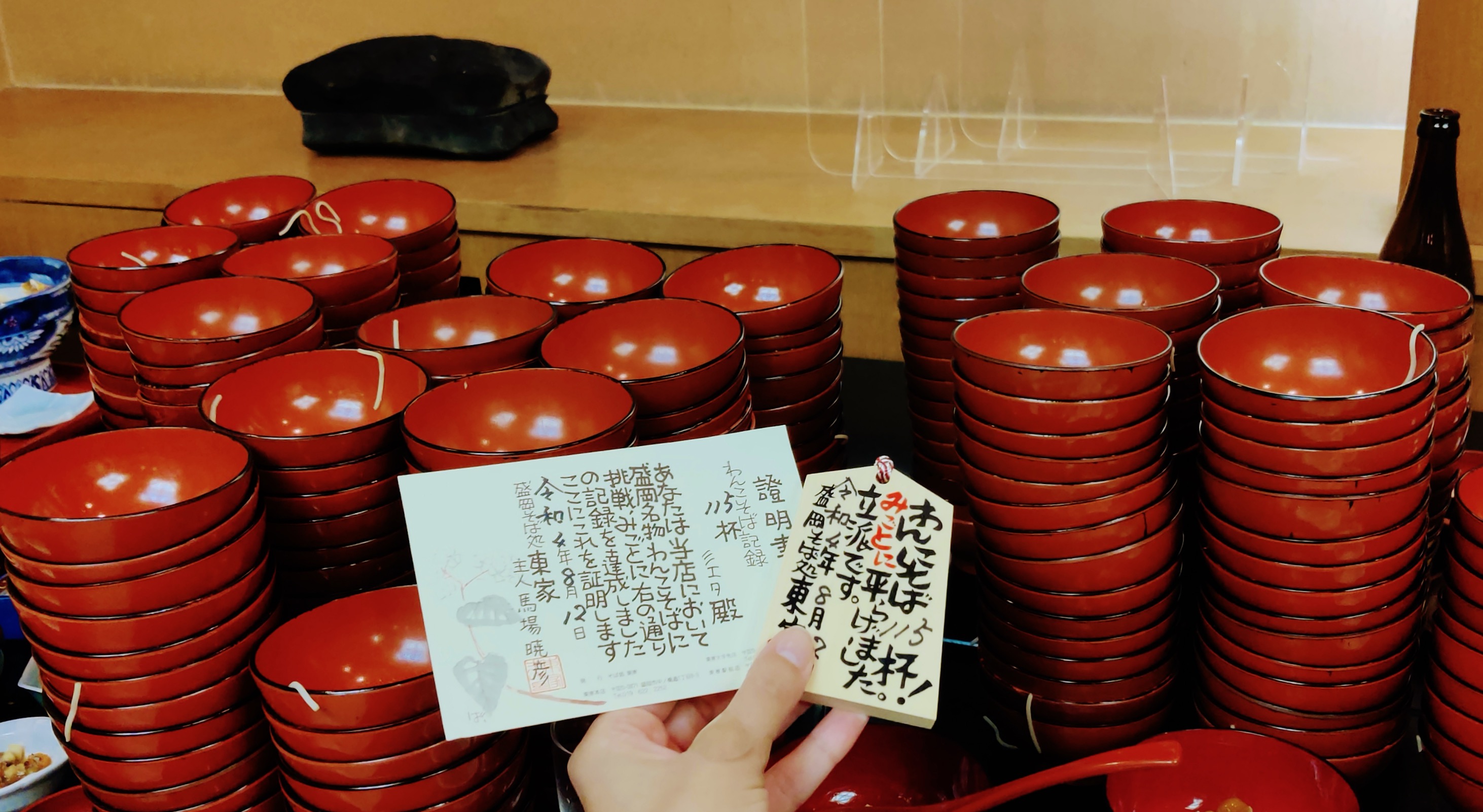
What is Wanko Soba?
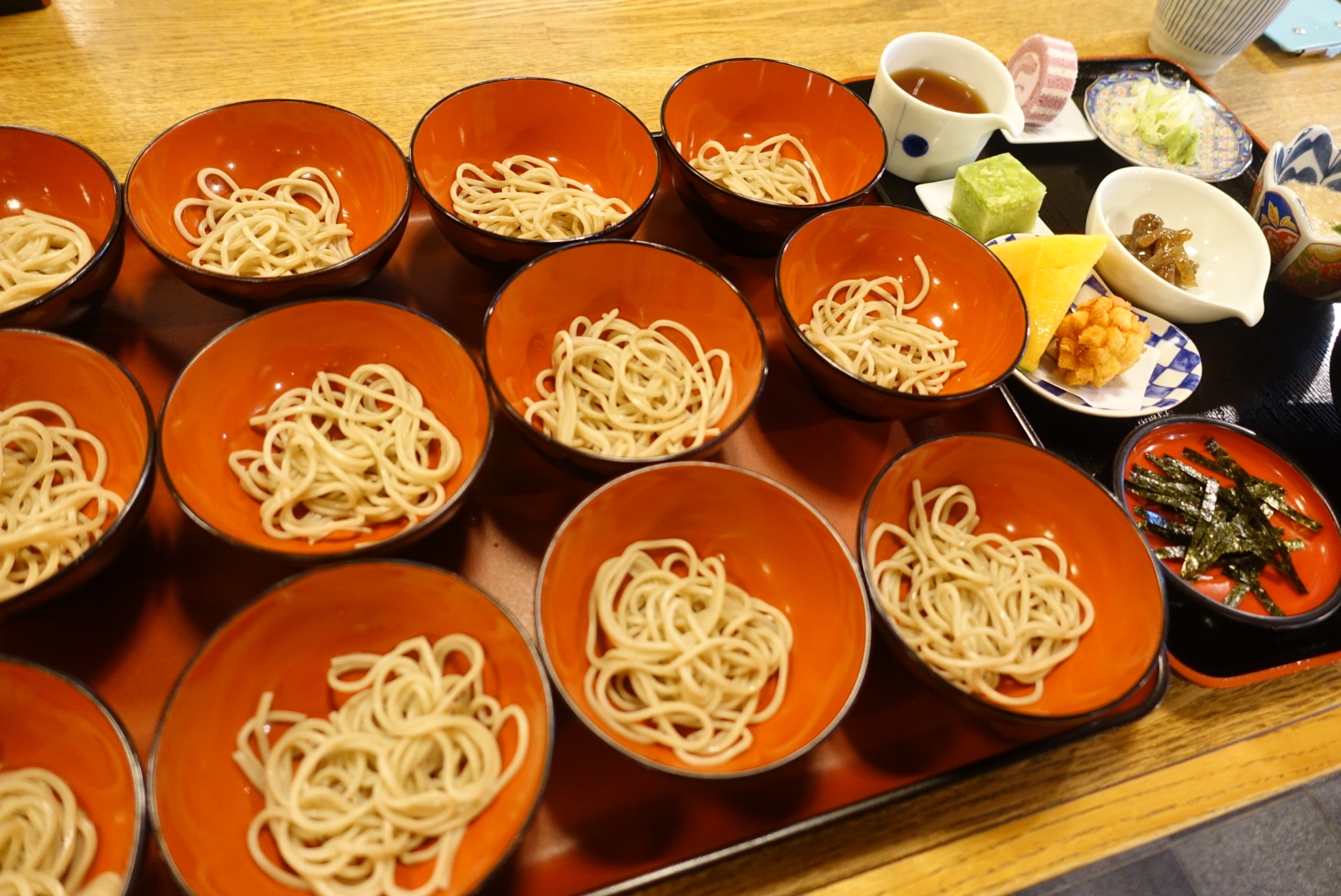
Wanko soba has gained fame, not because of its flavor or the way that it’s made, but by the way that it’s eaten. In the cities of Hanamaki and Morioka in Iwate prefecture, small portions of soba are served in small bowls. You must eat as many bowls as you can. This centuries-old custom has evolved into a truly unique experience, which anyone can try for themselves in Iwate prefecture.
One bowl usually contains one quite large bite of soba noodles. Each bowl has a little bit of broth at the bottom, making it easier to swallow the soba. Like most types of soba, you can also dip it into an additional dipping broth, add condiments, or eat it with side dishes, such as sashimi, pickled vegetables, tofu, seaweed, mushrooms, etc.
The History Behind Wanko Soba
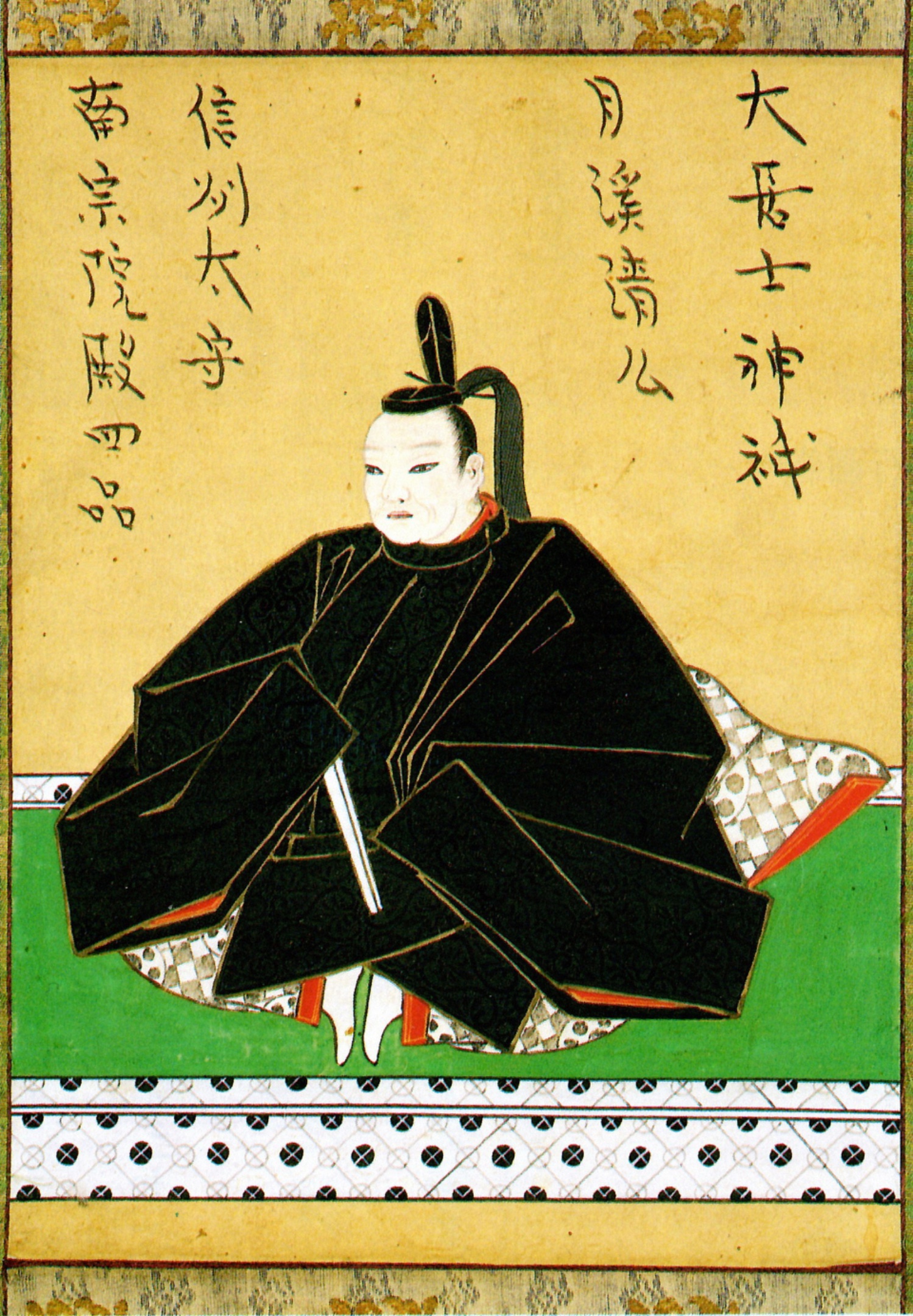
The origin of this seemingly strange food challenge lies almost 400 years in the past. It all started when Lord Toshinao Nanbu passed through the city of Hanamaki on his journey to Edo (now Tokyo). Determined to impress the lord with their hospitality, the locals gave him soba and some other dishes in small bowls. As the lord loved the soba so much, he kept asking for more, and the locals kept giving him more and more small bowls and encouraged him to keep eating.
The name comes from the owan, which is the type of bowl that the soba is served in. Because soba is usually served on a zaru, a flat, woven tray, this way of serving it in an owan is another reason why wanko soba is different from other types of soba.
My Personal Experience
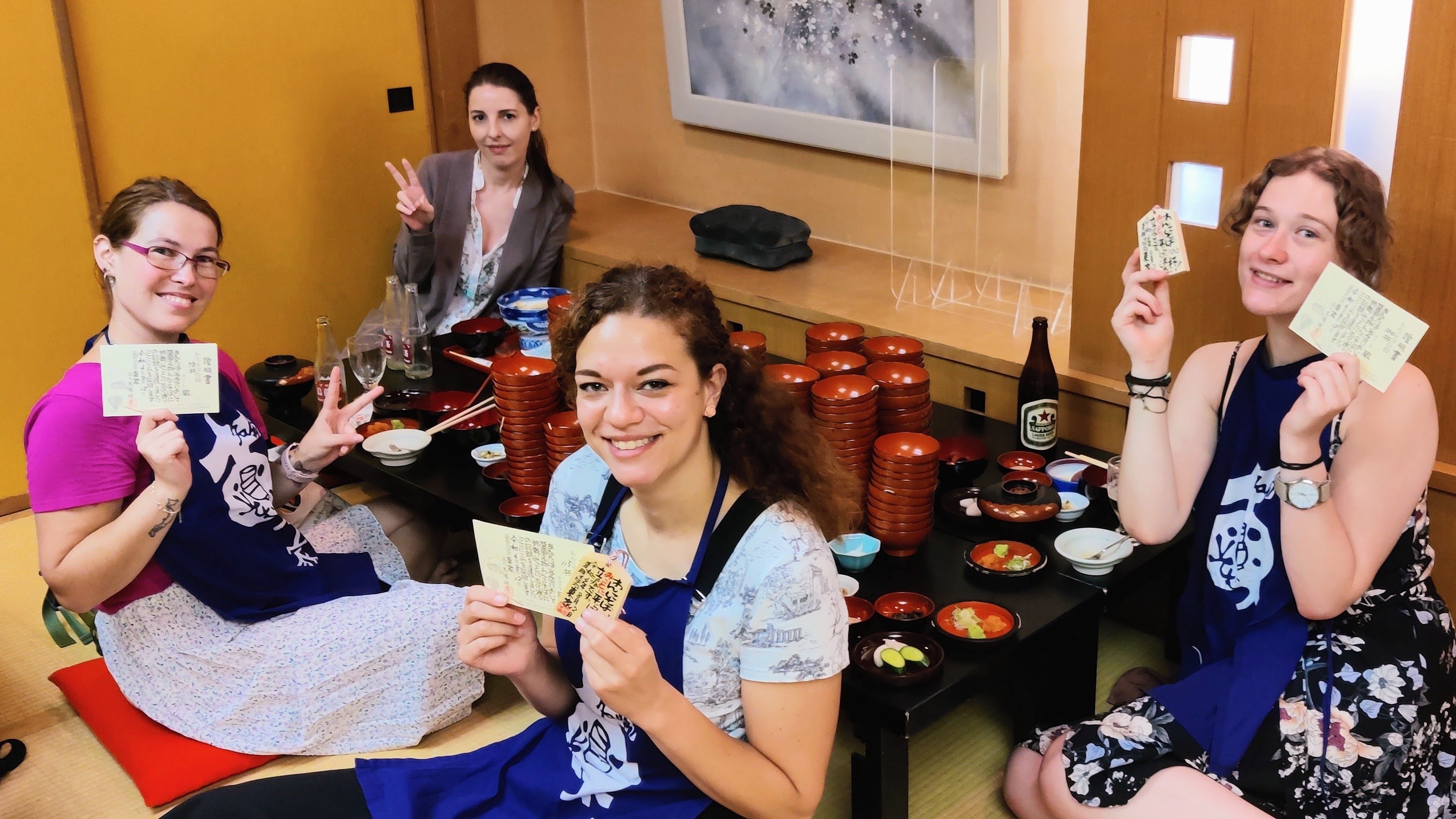
A few years ago, I traveled to Morioka City and booked this experience at Morioka’s most famous and oldest wanko soba restaurant. Along with 3 friends, we ordered the wanko soba course, which nowadays costs around 4000 yen per person. We received our large number of condiments and side dishes, our aprons, and started eating soba. As soon as you finish your bowl of soba, you can raise your bowl, so the restaurant staff can refill it from one of the many small bowls that they carry on large trays. The staff, usually women in traditional clothing, keep cheering you on to keep eating. Although you’re not supposed to take breaks while eating, there were many short 1 or 2-minute breaks when the staff was getting new trays of soba. Besides that, I purposely waited until I swallowed each bite before I would raise my bowl for the next refill, in order to pace myself and not feel too rushed or full.
Giving Up
When you’re done eating and basically want to quit the challenge, you place a lid on top of your bowl, and the staff will come to count your bowls, congratulate you, and give you a certificate. Every participant receives a small certificate, and anyone who finishes at least 100 bowls gets an additional wooden plaque. After over 1 hour at the restaurant, one of my friends finished her 100th bowl and immediately placed the lid on her bowl, while my other 2 friends had given up before they reached 100 bowls. As I paced myself more and I was a bit behind, I finally gave up after finishing 115 bowls! I received my certificate and plaque, and completely full, we slowly waggled back to the train station to continue our trip throughout the Tohoku area.
Warning: You might not want to eat soba for a while after participating in this challenge.